
- First Name
- Gordon
- Joined
- Feb 17, 2023
- Threads
- 10
- Messages
- 126
- Reaction score
- 245
- Location
- Palmdale, CA
- Vehicle(s)
- '24 Bronco Sport w/the Badlands Package

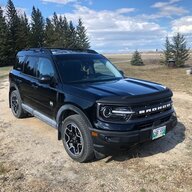
Drove first time in some snow and mud
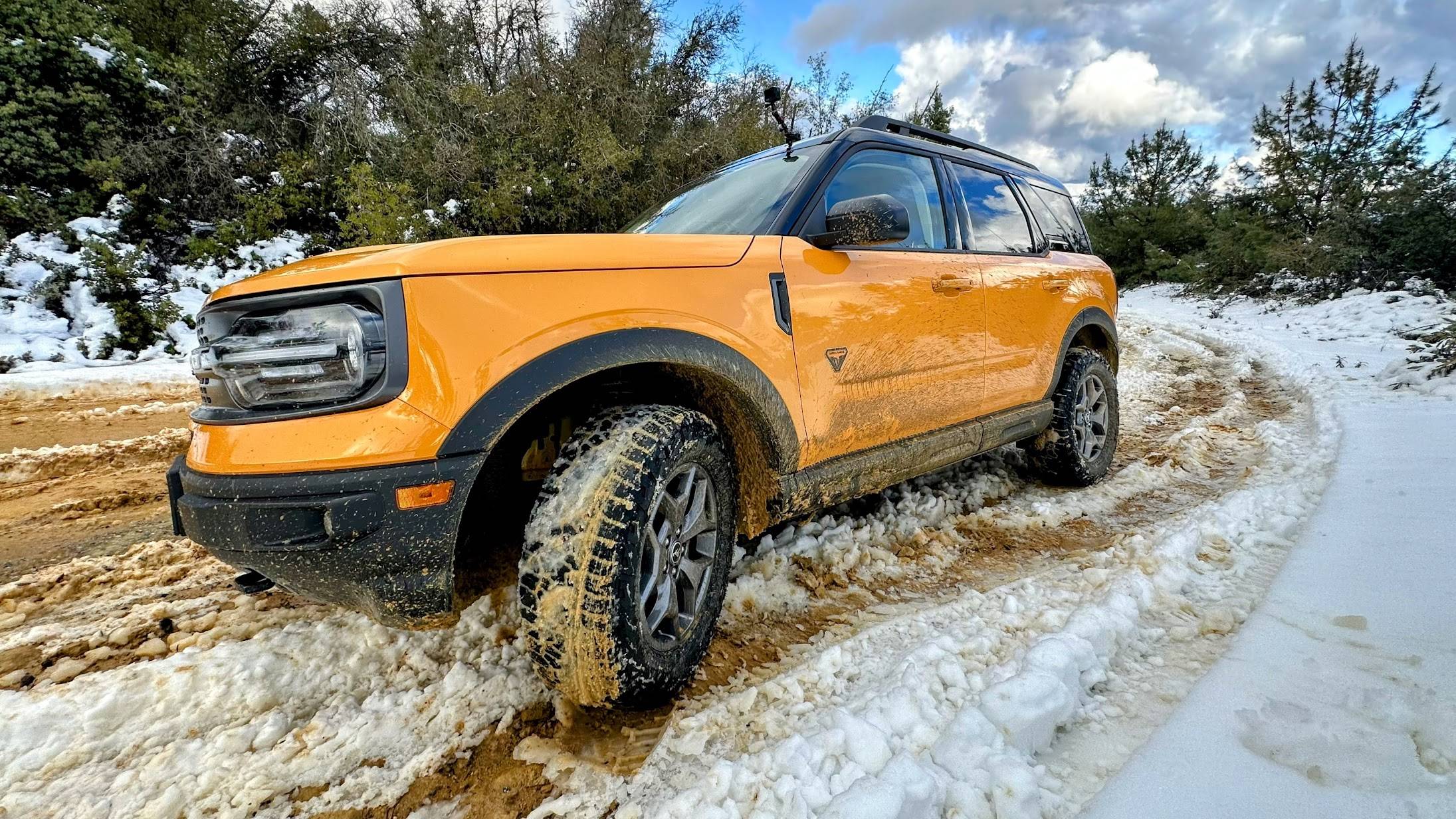
Same here.
Sadly, didn't think about taking any pictures.

Drove first time in some snow and mud

Okay, you have covered what this does for throttle response. Can you compare what the Pedal Commander does to what Sport mode does? If not, that is fine. Everything you have described so far sounds very similar to what Sport mode does.If you have a heavy foot, you'll notice the random hesitation from a stop. Especially after getting off the highway I notice. You hit the gas and it takes a second for it to respond. Every Ford I've ever driven does this including all 3 of my Dad's previous F150s. What this does is get rid of that hesitation so everytime you git the gas it feels the same and responds instantly. This makes the gas pedal jumpy at first until you get used to it.
Like I said some people who read this will know what I'm talking about and this is for them. I haven't seen anyone talk about it hear so I wanted to share that it's 100% worth it if you've been on the fence!
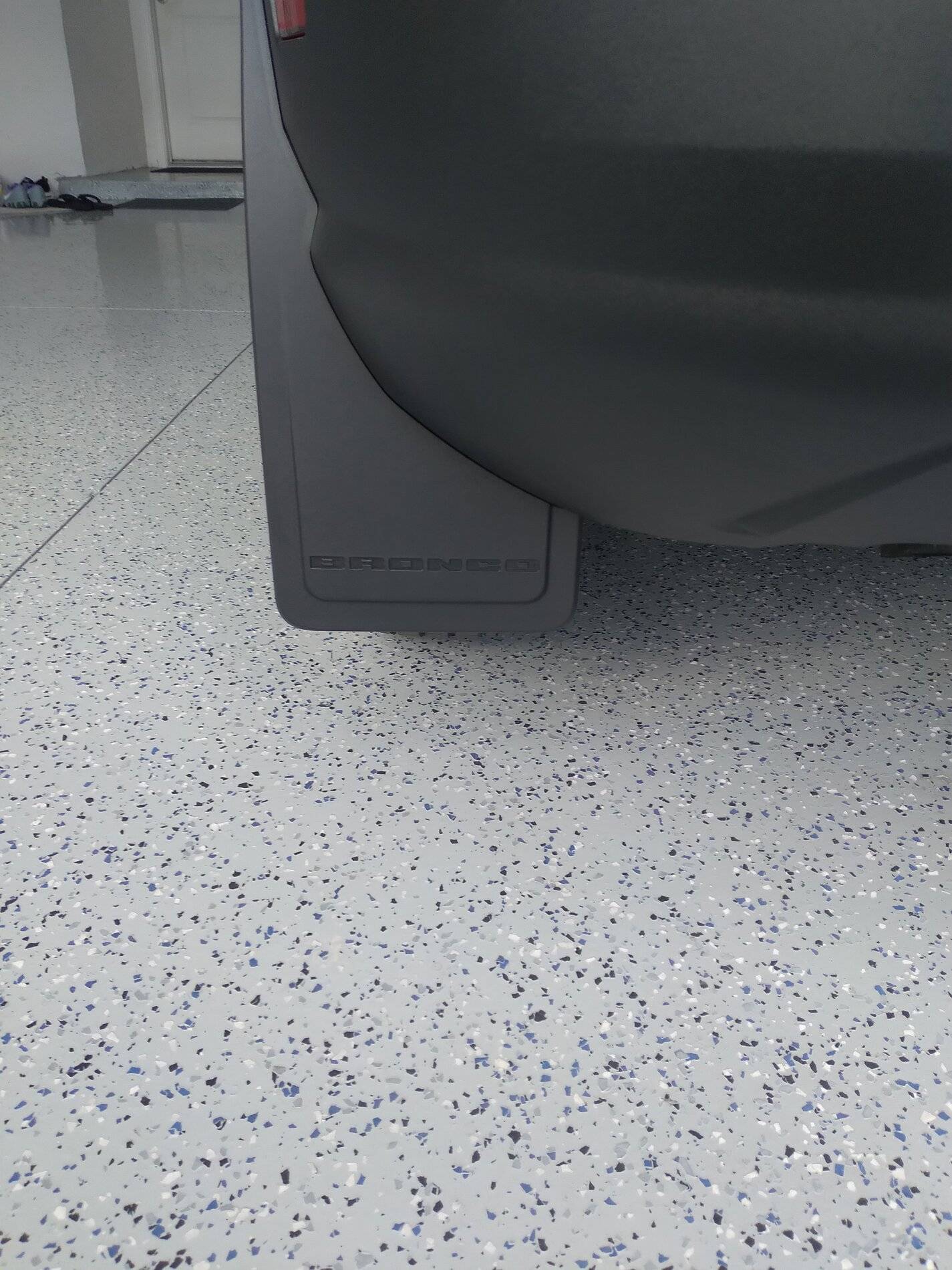
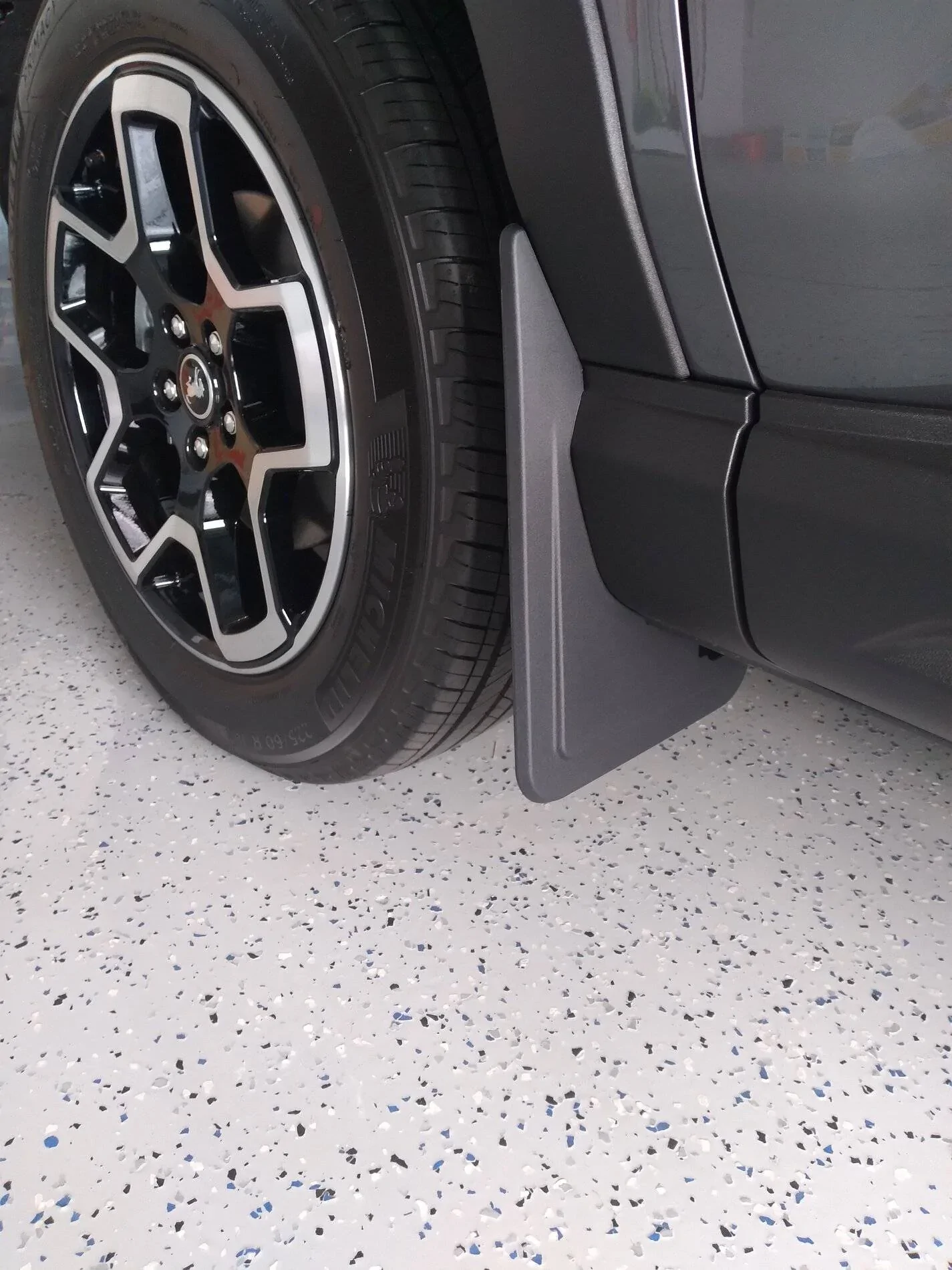
Do you like the Michelin tires? They look good.Installed Front and Rear Splash Guards.

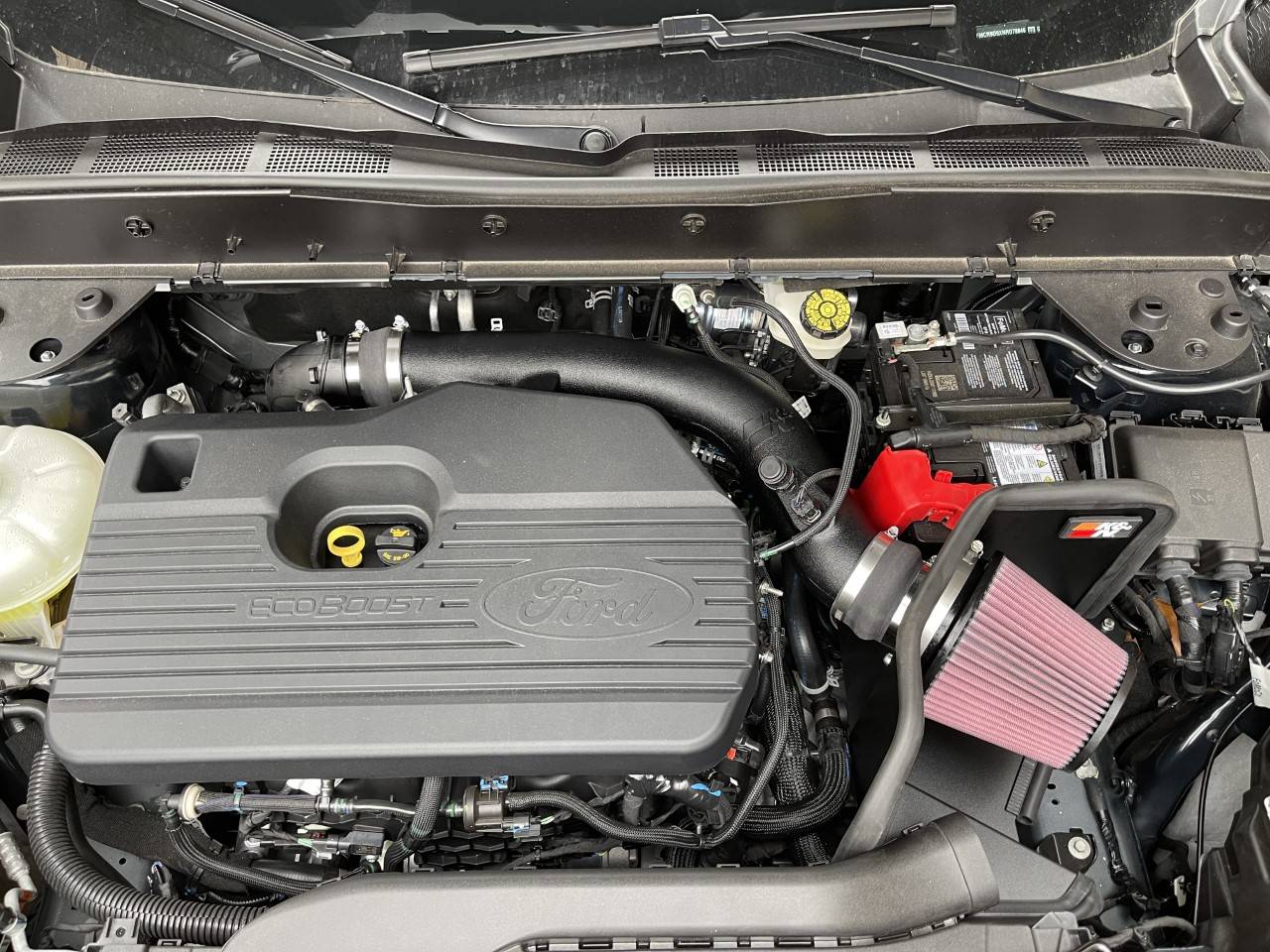
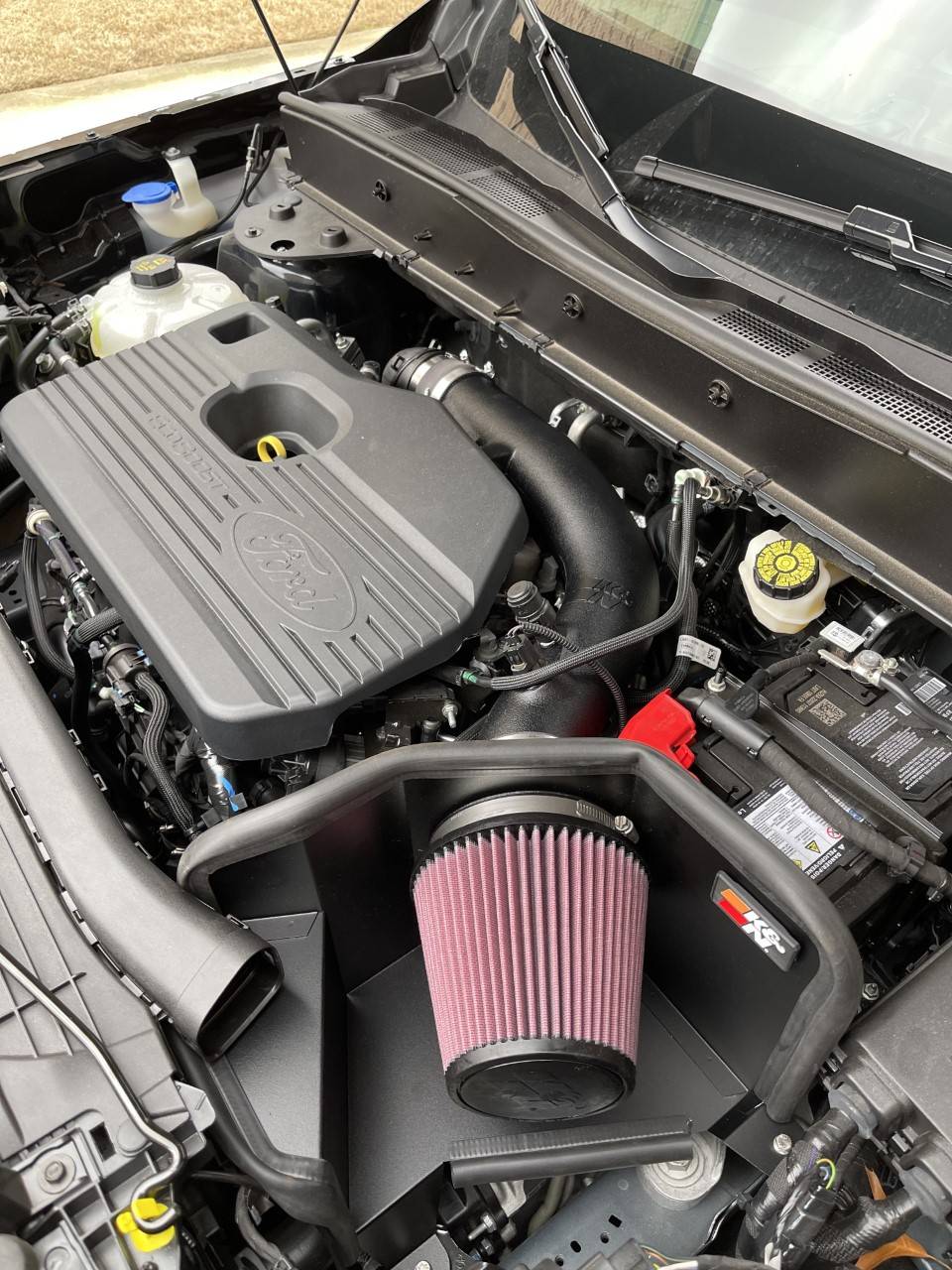
I'm glad to hear someone putting a CAI on the Bronco Sport. I have put them on most all of my previous cars and loved it.My first - and likely only - engine performance modification.
Love it. Love how well the engine "breathes" now. Clearly opens up the intake. I'd put one of these on a V12 that I used to own, and it was unreal. The "swooooosh!" of the intake was so cool, and the performance improvement was amazing. On this 2.0L, it's not all that, at all. You can hear the intake, but it's not loud. But it does deliver a handful of additional horsepower, which I was after, because of the bigger tires I've got on it. The additional ponies more than compensate for the added weight, and this thing runs!


Just want to share the video that really convinced me that K&N (or any oiled) filters are not what I want to use on my turbo vehicle.My first - and likely only - engine performance modification.
Love it. Love how well the engine "breathes" now. Clearly opens up the intake. I'd put one of these on a V12 that I used to own, and it was unreal. The "swooooosh!" of the intake was so cool, and the performance improvement was amazing. On this 2.0L, it's not all that, at all. You can hear the intake, but it's not loud. But it does deliver a handful of additional horsepower, which I was after, because of the bigger tires I've got on it. The additional ponies more than compensate for the added weight, and this thing runs!
I just played that full video, and can’t connect the dots between your recommendation for using a paper filter versus the point this gentleman makes about K&N. His point is that there is nothing that performs like a K&N for both flow and filter. That if you want peak performance, K&N is the way to go, and he explains the science behind that position. He makes it very clear that the only test where the K&N does poorly is in a static environment, meaning, a test that mimics the absence of an engine. But put a K&N on an engine with actual vibration, and the K&N filter is the best on the market.Just want to share the video that really convinced me that K&N (or any oiled) filters are not what I want to use on my turbo vehicle.
That being said, the actual intake piping is a good thing, from a restriction standpoint. Replacing that filter with a more robust paper filter would be my recommendation.
Take it or leave it!
What you missed is that a turbo removes the variation in the intake that makes the K&N work. Essentially a turbo makes an engine work more like a vacuum cleaner and less like a piston pump. It’s not vibration of the engine itself, it’s about the variation of intake vacuum. There essentially isn’t any variation on a small timescale when you have a turbo.I just played that full video, and can’t connect the dots between your recommendation for using a paper filter versus the point this gentleman makes about K&N. His point is that there is nothing that performs like a K&N for both flow and filter. That if you want peak performance, K&N is the way to go, and he explains the science behind that position. He makes it very clear that the only test where the K&N does poorly is in a static environment, meaning, a test that mimics the absence of an engine. But put a K&N on an engine with actual vibration, and the K&N filter is the best on the market.
Luckily I’ll only use mine with an engine.

Maybe you’re thinking about a different video? That point is never made in this video. This video makes a compelling argument for why K&N is by far the best filter you can buy. And the very last words on this video are if you’re in any kind of doubt as to what filter to buy just do yourself a favor buy K&N.What you missed is that a turbo removes the variation in the intake that makes the K&N work. Essentially a turbo makes an engine work more like a vacuum cleaner and less like a piston pump. It’s not vibration of the engine itself, it’s about the variation of intake vacuum. There essentially isn’t any variation on a small timescale when you have a turbo.
But when i watched the video on Youtube from Pandaworks even they state that there is still some hesitation from transmission having to catch up. So do you find that true as well?Even in Sport mode. If you put your foot all the way down there's a hesitation sometimes. This gets rid of that. I think it's a driving style thing.
He does not address specifically in the video the turbo issue. What he does is discuss how the fibers of the filter move on an engine and how they don’t move when hooked to a vacuum. Again, it’s not physical vibrations that make it work but pulses in the intake pressure. A turbo is essentially the same as a vacuum.Maybe you’re thinking about a different video? That point is never made in this video. This video makes a compelling argument for why K&N is by far the best filter you can buy. And the very last words on this video are if you’re in any kind of doubt as to what filter to buy just do yourself a favor buy K&N.
as to your point that a turbo synchronizes, essentially with the vibration of an engine so to do away with any meaningful vibration the filter may utilize I have to respectfully disagree. Perhaps, in certain conditions that might be the case. But in real life, the filter end of my air in take system is pretty far away from the turbo unit and I have no doubt there is substantial vibration for K&N to do what it does.

all it does is increase signal to pedal, you get same effect by pressing gas pedal harder. Pedal commanders are a known scamI don't think you would like this if you don't know what I'm talking about. This stops the unpredictable hesitation in the pedal. Especially if you have a heavy foot. Plus unlimited custimization of the throttle responce.
I’m honestly open to being moved by the information. I value your opinion. I respect where you are coming from enough to watch the video you posted. I just think that you are making some major leaps that don’t align with the video’s description as to why K&N is so effective.He does not address specifically in the video the turbo issue. What he does is discuss how the fibers of the filter move on an engine and how they don’t move when hooked to a vacuum. Again, it’s not physical vibrations that make it work but pulses in the intake pressure. A turbo is essentially the same as a vacuum.
I know that you are unmoved by all of this but maybe others will think twice.
Again, take it or leave it.