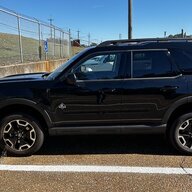

What did you do TO your Bronco Sport today?

HTYuhurd

Outer Banks
New Member
First Name
Hunter
Joined
Feb 27, 2023
Threads
0
Messages
1
Reaction score
3
Location
Pennsylvania
Vehicle(s)
2022 Ford Bronco Sport Outer Banks
Had an issue when i installed my 1.5” lift kit on to my OBX, the top and bottom bolt of the sway bar was coming loose causing a thumping noise when going over bumps. This forum is the one that helped me diagnose it!
Sponsored


 

Mark S.

Badlands
Well-Known Member
First Name
Mark
Joined
Oct 30, 2021
Threads
119
Messages
6,731
Reaction score
13,153
Location
St. Jacob, IL
Vehicle(s)
2021 Badlands | 2020 Escape
I’m open to a good discussion, and I’m open to learning something. But I don’t like flawed logic or fallacies, and so I hope nobody reads this thread and is moved to think K&N are not superior air filters….based on anything presented here so far.
I've looked through K&N's website pretty carefully, and I can't find anything in its description of test procedures regarding the presence or absence of vibration or flow pulsation, or that either is a necessary component of K&N's filter efficiency.

Personally, I think the reason the K&N filter performed so poorly on the efficiency test conducted by Project Farm is due to the material used by the presenter to simulate "dust." How does flour compare to actual atmospheric dust—the material the filter is designed to capture? We don't know.

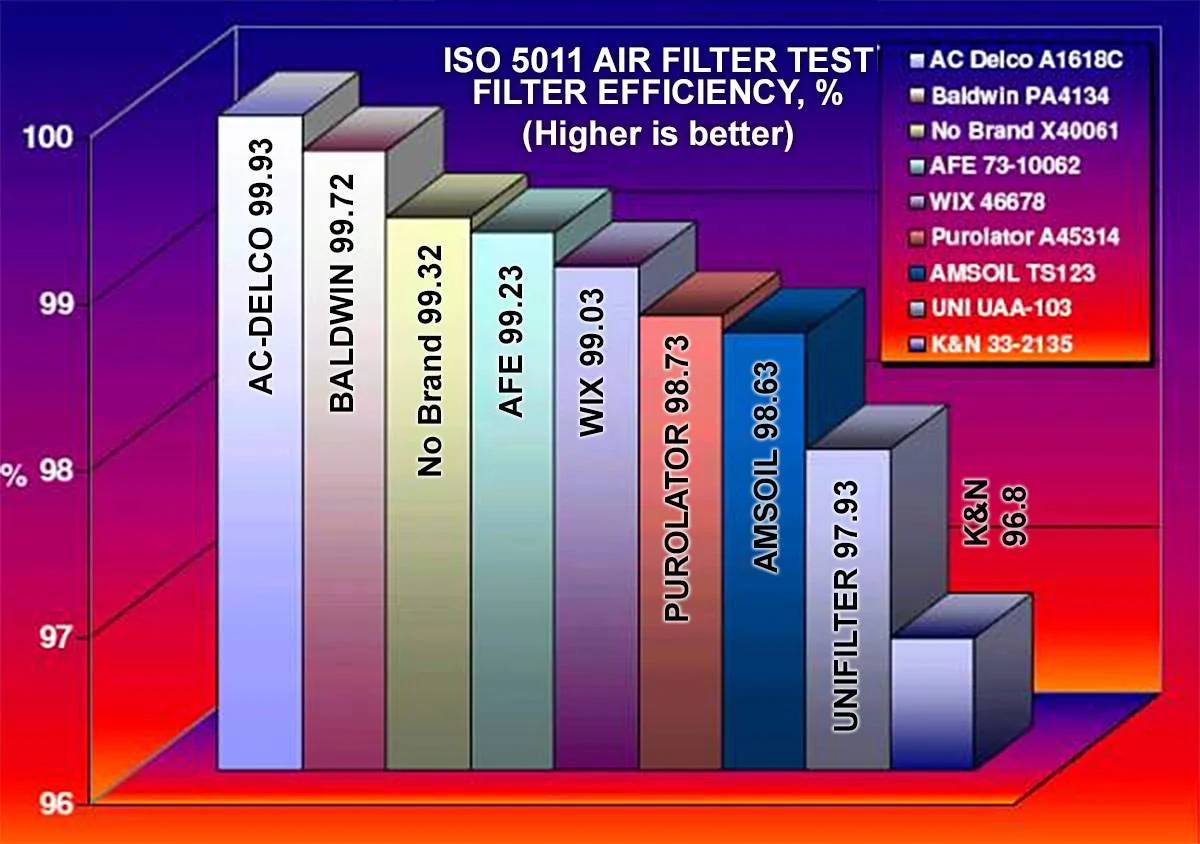
This test, conducted by an outfit calling itself Project 200, seems to be a lot more "scientific" than the one conducted by Project Farm. It used a test "dust" material used by ISO, which I believe provides more meaningful results in comparison testing.

You can look through the results and draw your own conclusions, but it's pretty obvious to me from this graph alone that the K&N does not filter as efficiently as the other filters it was compared to.

Ford Bronco Sport What did you do TO your Bronco Sport today? ISO5011-efficiency


Whether the difference between 99.93% and 96.8% matters is up to you.
 

delm

Badlands
Well-Known Member
First Name
David
Joined
Mar 1, 2022
Threads
10
Messages
268
Reaction score
540
Location
Atlanta
Vehicle(s)
'22 BS Badlands; '23 BS Badlands; BMW X3, X7
I've looked through K&N's website pretty carefully, and I can't find anything in its description of test procedures regarding the presence or absence of vibration or flow pulsation, or that either is a necessary component of K&N's filter efficiency.

Personally, I think the reason the K&N filter performed so poorly on the efficiency test conducted by Project Farm is due to the material used by the presenter to simulate "dust." How does flour compare to actual atmospheric dust—the material the filter is designed to capture? We don't know.

This test, conducted by an outfit calling itself Project 200, seems to be a lot more "scientific" than the one conducted by Project Farm. It used a test "dust" material used by ISO, which I believe provides more meaningful results in comparison testing.

You can look through the results and draw your own conclusions, but it's pretty obvious to me from this graph alone that the K&N does not filter as efficiently as the other filters it was compared to.

Ford Bronco Sport What did you do TO your Bronco Sport today? ISO5011-efficiency


Whether the difference between 99.93% and 96.8% matters is up to you.
I've never seen anything from K&N that explains the role of vibration in their filter's performance either, Mark. Did you watch the video that Meanderthal posted from Goodson, contradicting Project Farm's test? It is a fascinating video.

Goodson explains his history with K&N going back to the 1970s, when he met the CEO at a SEMA convention. He explains how paper filters either supported air flow OR they filtered, but not both. K&N comes along with a filter that did both exceptionally well. In the video, he then goes on to explain the problem with Project Farm's testing, along with most filter testing, and how K&N cannot be tested with standard filter tests because it is what he calls an "active filter" whereas everything else is a passive filter.

Goodson goes on to explain that he discovered that the K&N filters function much like human lungs in that it is the material with hair-like fibers that collect the dust particles, while the filter continues to support maximum airflow. Goodson goes on to explain how those fibers work off of the engine's vibration, and that this is really the "secret sauce" that so many people fail to understand.
 

Mark S.

Badlands
Well-Known Member
First Name
Mark
Joined
Oct 30, 2021
Threads
119
Messages
6,731
Reaction score
13,153
Location
St. Jacob, IL
Vehicle(s)
2021 Badlands | 2020 Escape
I've never seen anything from K&N that explains the role of vibration in their filter's performance either, Mark. Did you watch the video that Meanderthal posted from Goodson, contradicting Project Farm's test? It is a fascinating video.
Yes, I watched it, which is why I went to K&N's website for information about how they conduct efficiency tests. It said nothing about vibration or flow pulsation. From what I could see it uses the same ISO testing procedure as other manufacturers, which appears to be a steady-state flow test, and that's the testing on which K&N's claims regarding efficiency are based.

I'm not by any means an expert in fluid dynamics, but I can't for the life of me see how moving the fibers around increases their chances of capturing particles. Common sense tells me the only way to increase air flow is to reduce filtration efficiency, which is what I see from the testing at the link I provided.

Again, I acknowledge there isn't much difference between 99.9% and 96.8%. But the extra power claimed by K&N isn't enough in my mind to justify ANY reduction in filter efficiency. Even if K&N's claims about power gains are accurate, I don't really feel like I need another 5-10 HP.


delm

Badlands
Well-Known Member
First Name
David
Joined
Mar 1, 2022
Threads
10
Messages
268
Reaction score
540
Location
Atlanta
Vehicle(s)
'22 BS Badlands; '23 BS Badlands; BMW X3, X7
Yes, I watched it, which is why I went to K&N's website for information about how they conduct efficiency tests. It said nothing about vibration or flow pulsation. From what I could see it uses the same ISO testing procedure as other manufacturers, which appears to be a steady-state flow test, and that's the testing on which K&N's claims regarding efficiency are based.

I'm not by any means an expert in fluid dynamics, but I can't for the life of me see how moving the fibers around increases their chances of capturing particles. Common sense tells me the only way to increase air flow is to reduce filtration efficiency, which is what I see from the testing at the link I provided.

Again, I acknowledge there isn't much difference between 99.9% and 96.8%. But the extra power claimed by K&N isn't enough in my mind to justify ANY reduction in filter efficiency. Even if K&N's claims about power gains are accurate, I don't really feel like I need another 5-10 HP.
I hear you.

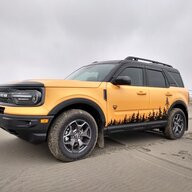
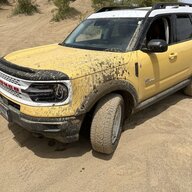
I gained about 25 horses when I put the same thing on my Aston Martin DB9 and it went from a very fun car to drive to a very fun rocket to drive. :) Definitely wasn't looking for mimicking that with a Bronco Sport, but I also didn't want to feel like I lost HP with my heavier tires.
 

Glamdring70

Badlands
Well-Known Member
First Name
Tim
Joined
Mar 26, 2021
Threads
23
Messages
1,426
Reaction score
2,365
Location
Oregon
Vehicle(s)
'21 BL+BL
Love to see a poll of how many people experience this mysterious "pedal hesitation" effect.

Not sure if you can still buy them, but you also used to be able to get these sort of clip-on magnets for fuel lines to align the gas molecules and improve your overall MPG. Because you know, auto makers totally wouldn't add a one cent magnet to increase the EPA rating on the Monroney.
 

Meanderthal

Badlands
Well-Known Member
First Name
Eric
Joined
Mar 19, 2022
Threads
10
Messages
2,164
Reaction score
3,155
Location
Belleville, IL
Vehicle(s)
'08 BMW R1200 GS Adv, '23 Norden Expedition
I’m honestly open to being moved by the information. I value your opinion. I respect where you are coming from enough to watch the video you posted. I just think that you are making some major leaps that don’t align with the video’s description as to why K&N is so effective.

you are trying to argue that a turbo functions like a vacuum, and the K&N is ineffective in a vacuum environment. I think you discard the fact that the engine does create the very vibration that makes the K&N superior in the first place, despite the “vacuum” function of a turbo. It does sound like a turbo in a controlled environment (ie, one without the engine) would render the K&N less efficient. But the fact is, the engine and its vibration exists. And that is the fundamental condition that makes the K&N filter superior to paper filters.

you’ve basically posted a video that goes into great length making a compelling argument from “the” authority on the topic that the K&N is a superior filter if used on a car with an engine. But then you point to what you call an inference that I don’t believe exists as a key point in your argument that a high quality paper filter is better. I really don’t mean disrespect, but you are saying that 1+1 = 5 with no dots to connect to get there.

I’m open to a good discussion, and I’m open to learning something. But I don’t like flawed logic or fallacies, and so I hope nobody reads this thread and is moved to think K&N are not superior air filters….based on anything presented here so far.
I think the flaw in your logic is that you are assuming physical engine vibration is what makes the K&N work, but that is not the case. What he describes as the fibers moving while the engine is running is caused by the individual cylinders pulling in air, which happens in pulses of vacuum pressure. With a turbo, the wheel/fan of the turbo is pulling in air more or less constantly like a vacuum cleaner. The individual cylinders are fed by the pressure in the intake created by the turbo.

So, the turbo creates a relatively stable low pressure (vacuum) in the intake between the filter and the turbo inlet. That low pressure does vary with engine speed and load, but it does not pulse like a naturally aspirated engine does.

The video presents the argument that the way Project Farm did the test does not represent the reality of a running engine. He doesn't actually address how a turbo would affect it. I apologize for posting that without watching it again. I do believe this is really a 2 + 2 = 4 thing, but you do have to realize that an engine with a turbo does not have the intake pulses of a naturally aspirated engine.

The paper filter is just something that I have used and know works well. It has much more surface area than a typical panel filter and can be used with a round tube intake pipe like you have with the K&N. That paper filter will also last for years instead of the year or less from typical paper panel filters.

Hopefully I have explained the "vibration" thing well enough that we can move past that now.
 

Meanderthal

Badlands
Well-Known Member
First Name
Eric
Joined
Mar 19, 2022
Threads
10
Messages
2,164
Reaction score
3,155
Location
Belleville, IL
Vehicle(s)
'08 BMW R1200 GS Adv, '23 Norden Expedition
Common sense tells me the only way to increase air flow is to reduce filtration efficiency, which is what I see from the testing at the link I provided.
The way to increase airflow without reducing filtering efficiency is to add filter area.


delm

Badlands
Well-Known Member
First Name
David
Joined
Mar 1, 2022
Threads
10
Messages
268
Reaction score
540
Location
Atlanta
Vehicle(s)
'22 BS Badlands; '23 BS Badlands; BMW X3, X7
I think the flaw in your logic is that you are assuming physical engine vibration is what makes the K&N work, but that is not the case. What he describes as the fibers moving while the engine is running is caused by the individual cylinders pulling in air, which happens in pulses of vacuum pressure. With a turbo, the wheel/fan of the turbo is pulling in air more or less constantly like a vacuum cleaner. The individual cylinders are fed by the pressure in the intake created by the turbo.

So, the turbo creates a relatively stable low pressure (vacuum) in the intake between the filter and the turbo inlet. That low pressure does vary with engine speed and load, but it does not pulse like a naturally aspirated engine does.

The video presents the argument that the way Project Farm did the test does not represent the reality of a running engine. He doesn't actually address how a turbo would affect it. I apologize for posting that without watching it again. I do believe this is really a 2 + 2 = 4 thing, but you do have to realize that an engine with a turbo does not have the intake pulses of a naturally aspirated engine.

The paper filter is just something that I have used and know works well. It has much more surface area than a typical panel filter and can be used with a round tube intake pipe like you have with the K&N. That paper filter will also last for years instead of the year or less from typical paper panel filters.

Hopefully I have explained the "vibration" thing well enough that we can move past that now.
We can definitely put that one to rest.
 

Jasonj7858

Badlands
Well-Known Member
First Name
Jason
Joined
Oct 10, 2021
Threads
3
Messages
60
Reaction score
157
Location
NC
Vehicle(s)
21 Bronco Sport Big Bend..22 Bronco Sport Badlands
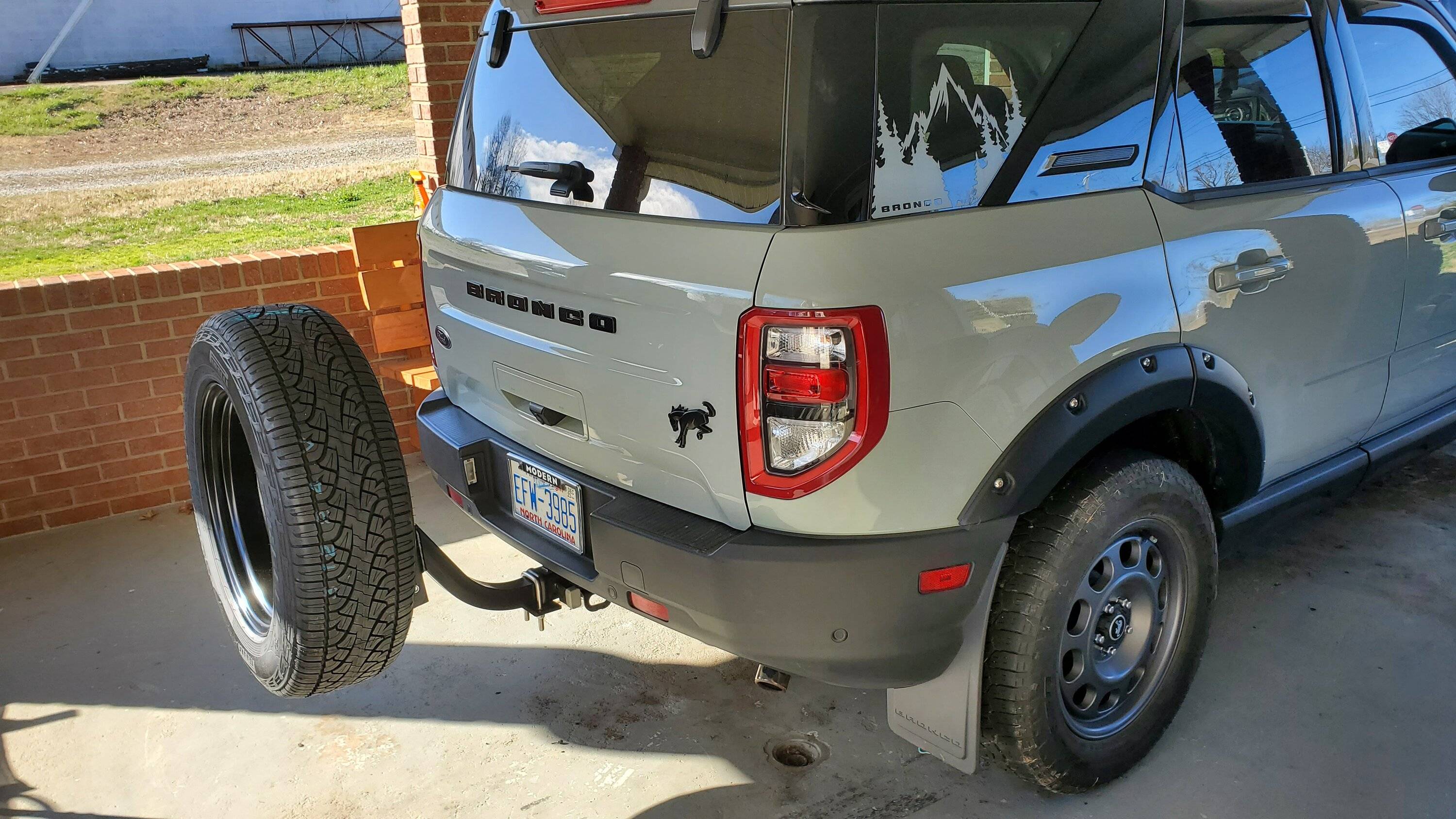
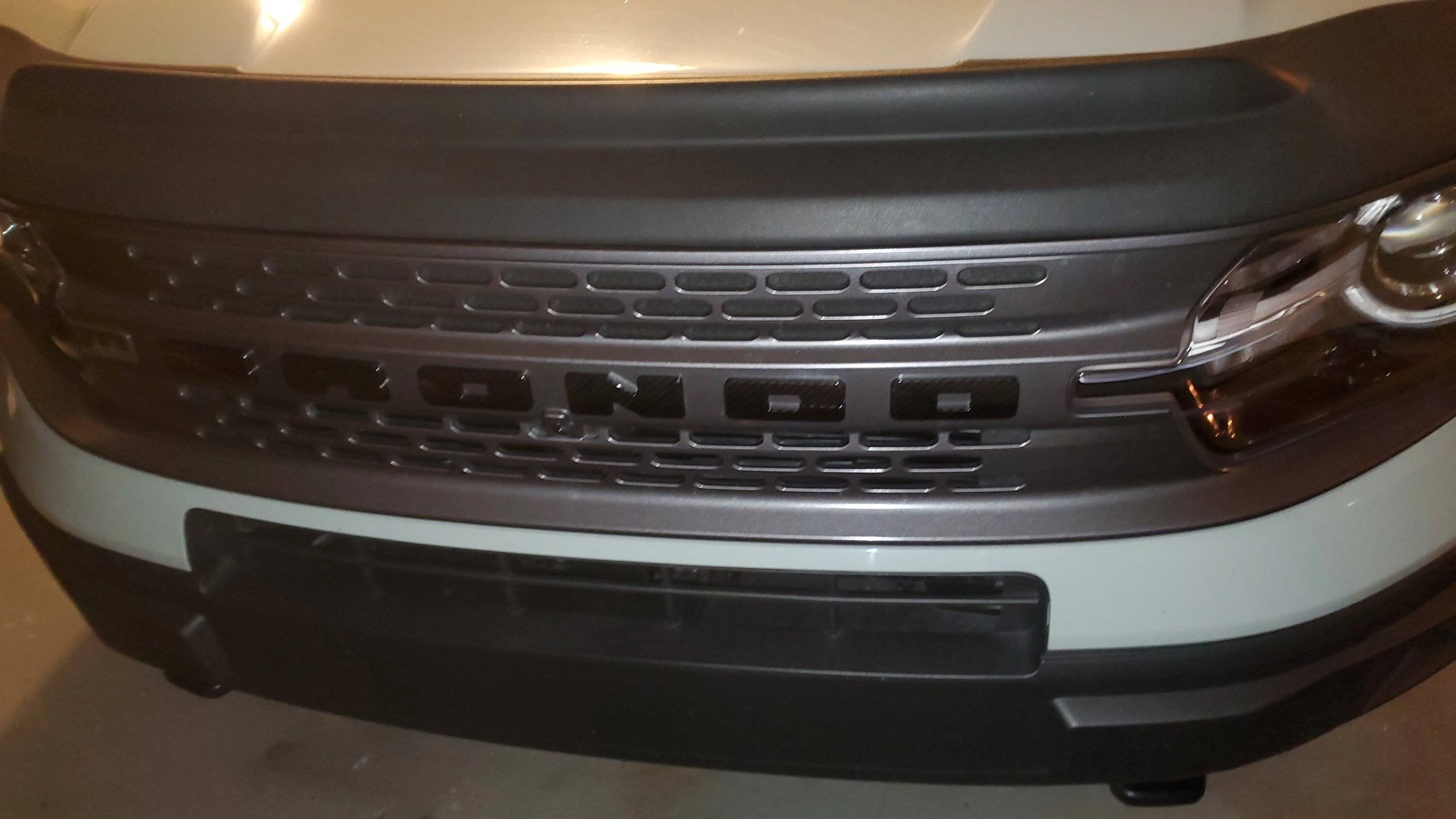
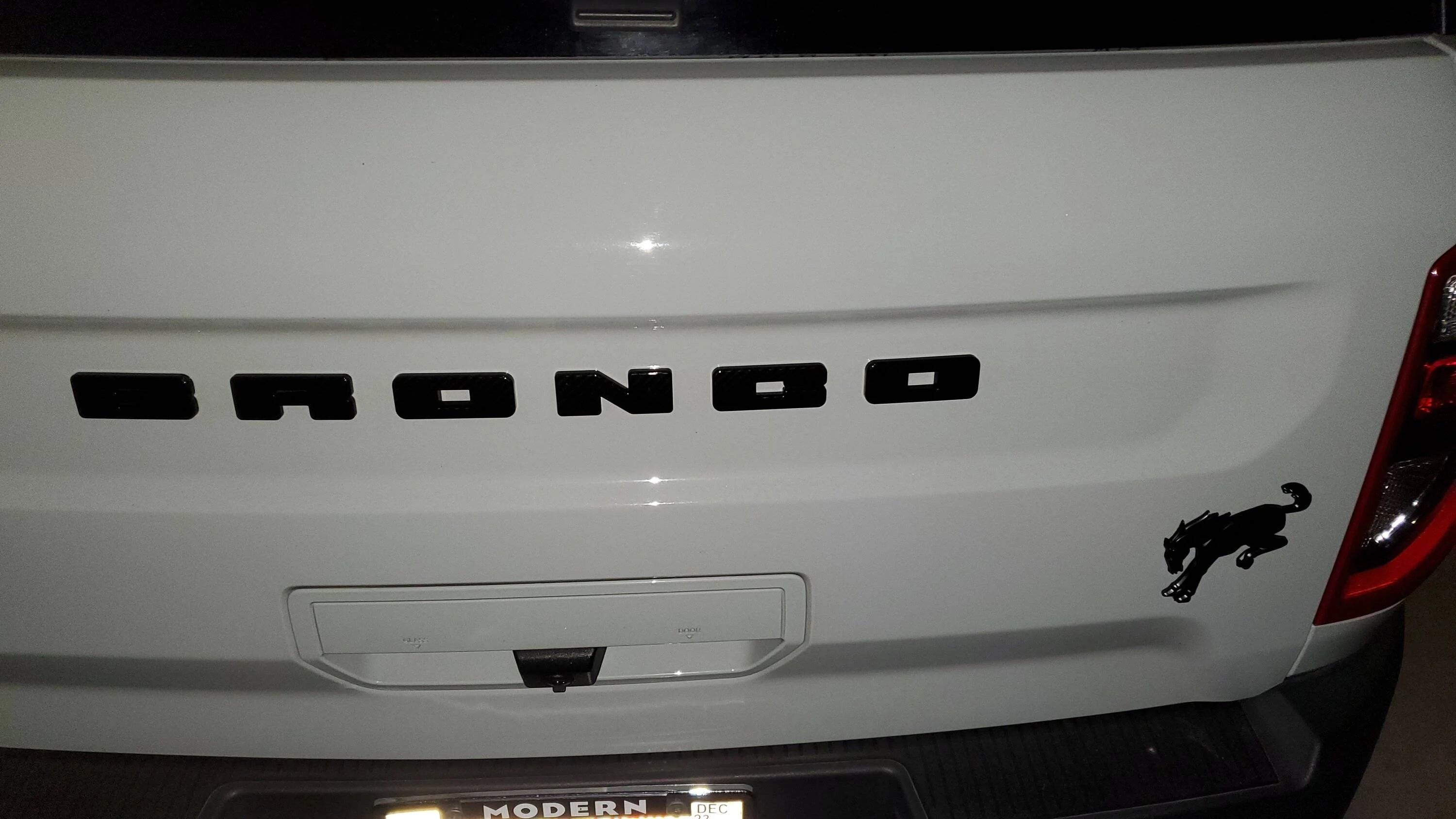
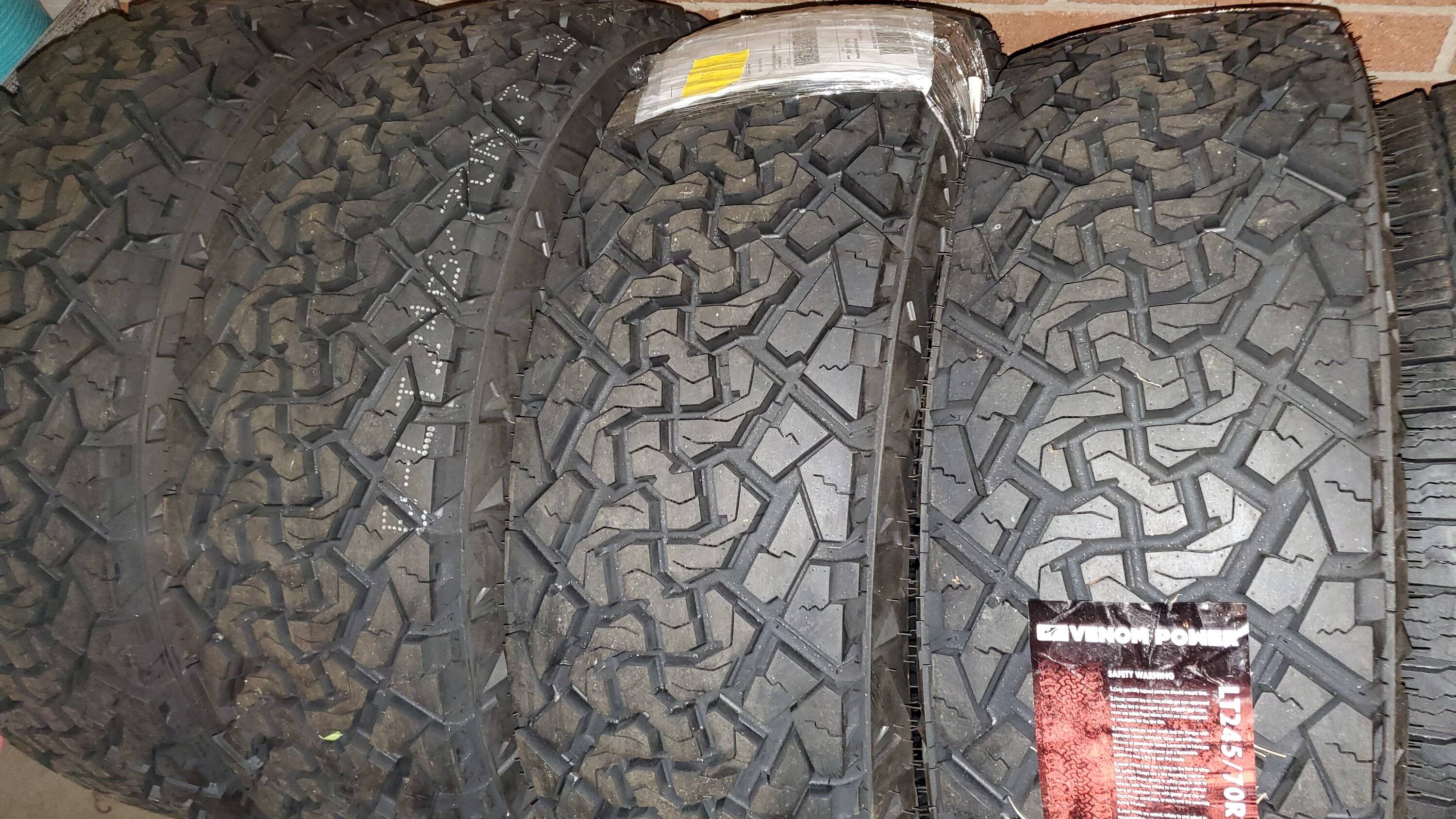
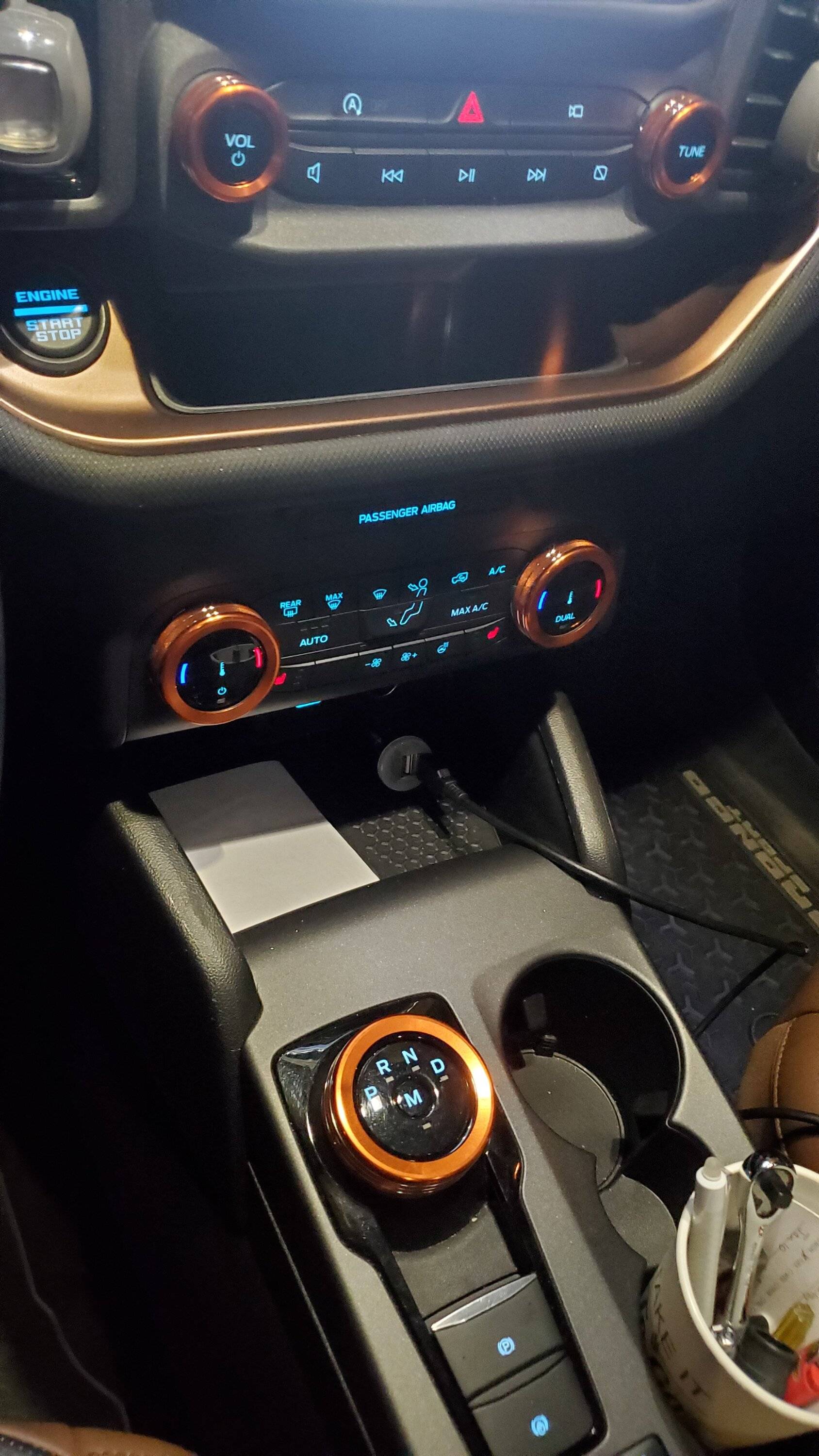
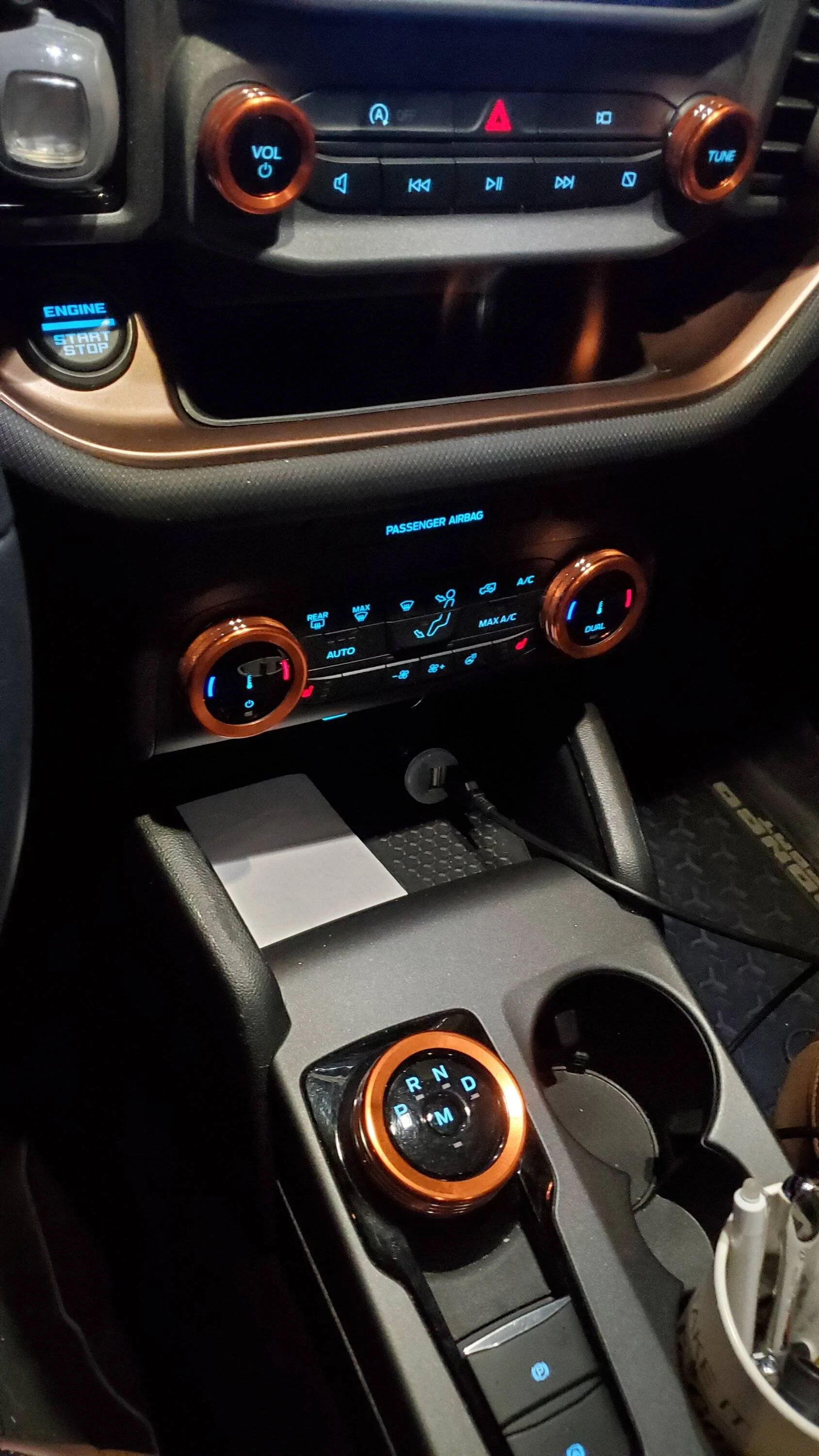
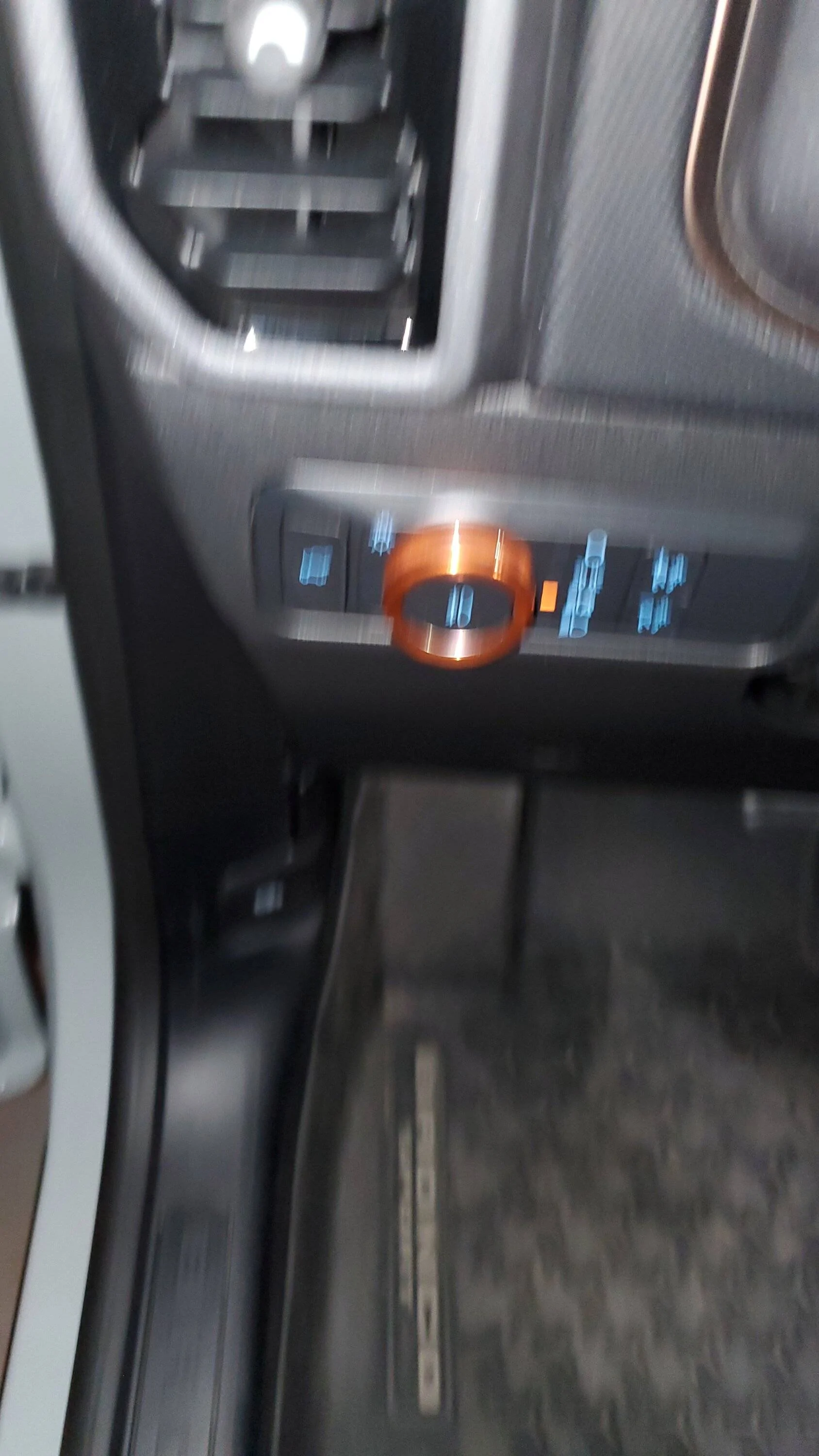
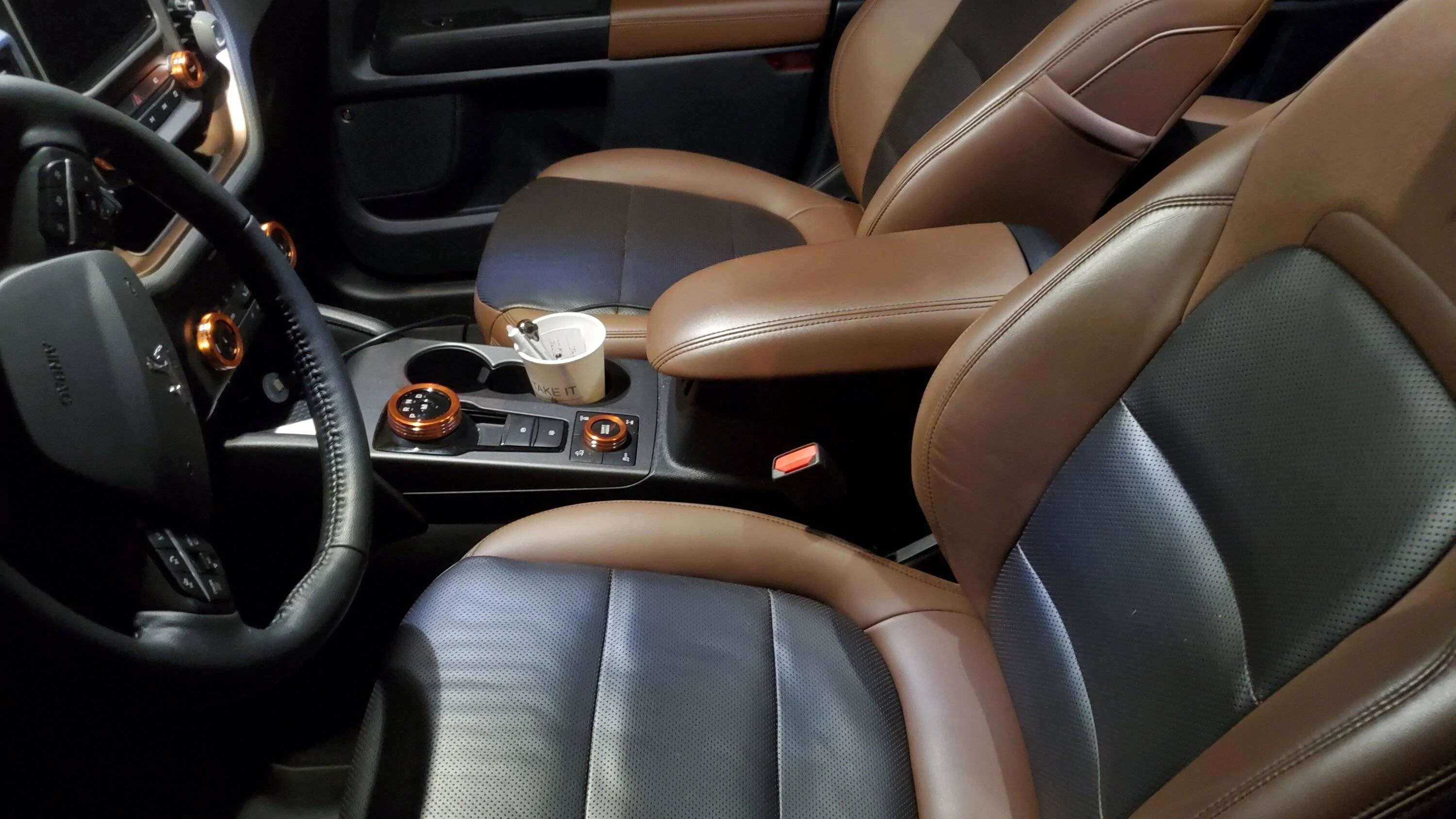
Well did a few things to my Badlands...
Ford Bronco Sport What did you do TO your Bronco Sport today? 20230228_094239
Ford Bronco Sport What did you do TO your Bronco Sport today? 20230226_194709
Ford Bronco Sport What did you do TO your Bronco Sport today? 20230226_194541
Ford Bronco Sport What did you do TO your Bronco Sport today? 20230226_194649
Ford Bronco Sport What did you do TO your Bronco Sport today? 20230226_194607
Ford Bronco Sport What did you do TO your Bronco Sport today? 20230226_194611
Ford Bronco Sport What did you do TO your Bronco Sport today? 20230226_194618
Ford Bronco Sport What did you do TO your Bronco Sport today? 20230226_194625

Added carbon fiber letter covers, front and back...got new Venom 245/70 17 tires to still put on...some knob covers, and a rear hitch tire carrier.


Top