

Thought #1:
In Post 24 from DWG, it states:
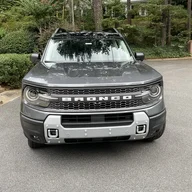
Our Bronco is certainly under a 10K/year driving rate so far. If I plot our nightly oil life percentage vs. nightly odometer reading, the chart wanders a bit but if I plot nightly oil life percentage DAYS, it's a perfectly straight line. This sounds FAR from intelligent and is simply counting how many days we've owned the vehicle, whether it's driven or not.
Thought #2:
Those same links provided by DWG have a statement that you have to have more than 150 trips to establish your driving habits, maybe THEN it will start using the data to actually make an intelligent choice? Our car has not been driving 150 times yet. So maybe this will start being more than a linear day-counter in 2026.
Just interesting stuff. In our Hondas with the K24 engine, my wife (lots of town driving) seemed to request a change about every 6000-6500 miles in her car. In my car (almost only road trips, otherwise it's parked) it usually takes about 8400-9000 miles to request a change. This seemed like proof to me that the Honda system is actually looking at the driving cycle, amount of time in warm-up and so on.
I'm with incavulator so far in thinking this isn't very intelligent at all. Hopefully Thought #2 will be the case and that will change my view of the indicator's usefulness.
Thanks for all the input everyone, this is interesting. I'm just trying to learn all the little details of how this all works... I certainly won't be logging nightly information for much longer.
In Post 24 from DWG, it states:
- ... if your vehicle is driven more than 10,000 miles/16,000 kilometers within a shorter timeframe, the estimates will not reflect one year, but will reflect 10,000 miles/16,000 kilometers.
Our Bronco is certainly under a 10K/year driving rate so far. If I plot our nightly oil life percentage vs. nightly odometer reading, the chart wanders a bit but if I plot nightly oil life percentage DAYS, it's a perfectly straight line. This sounds FAR from intelligent and is simply counting how many days we've owned the vehicle, whether it's driven or not.
Thought #2:
Those same links provided by DWG have a statement that you have to have more than 150 trips to establish your driving habits, maybe THEN it will start using the data to actually make an intelligent choice? Our car has not been driving 150 times yet. So maybe this will start being more than a linear day-counter in 2026.
Just interesting stuff. In our Hondas with the K24 engine, my wife (lots of town driving) seemed to request a change about every 6000-6500 miles in her car. In my car (almost only road trips, otherwise it's parked) it usually takes about 8400-9000 miles to request a change. This seemed like proof to me that the Honda system is actually looking at the driving cycle, amount of time in warm-up and so on.
I'm with incavulator so far in thinking this isn't very intelligent at all. Hopefully Thought #2 will be the case and that will change my view of the indicator's usefulness.
Thanks for all the input everyone, this is interesting. I'm just trying to learn all the little details of how this all works... I certainly won't be logging nightly information for much longer.
Sponsored