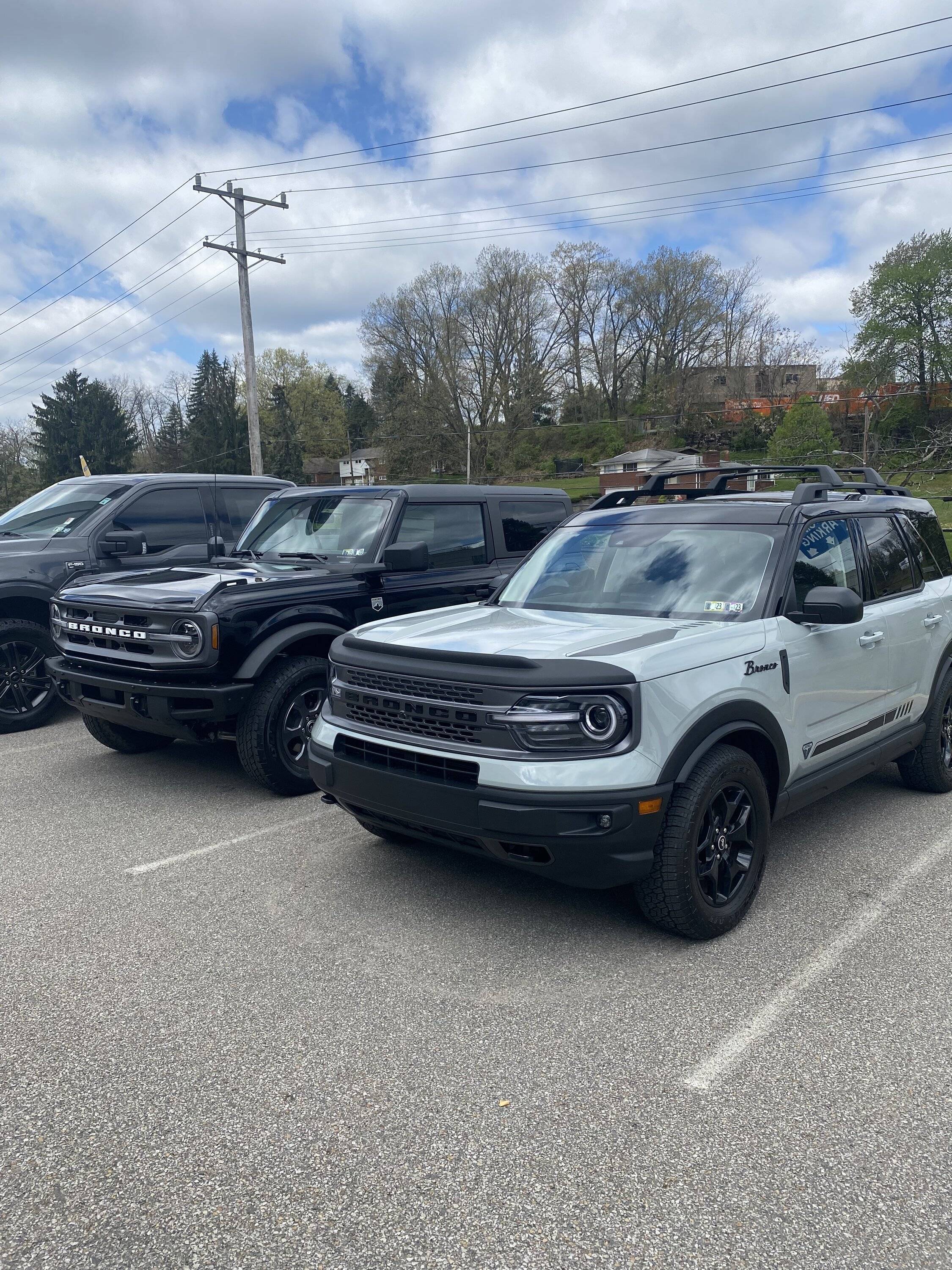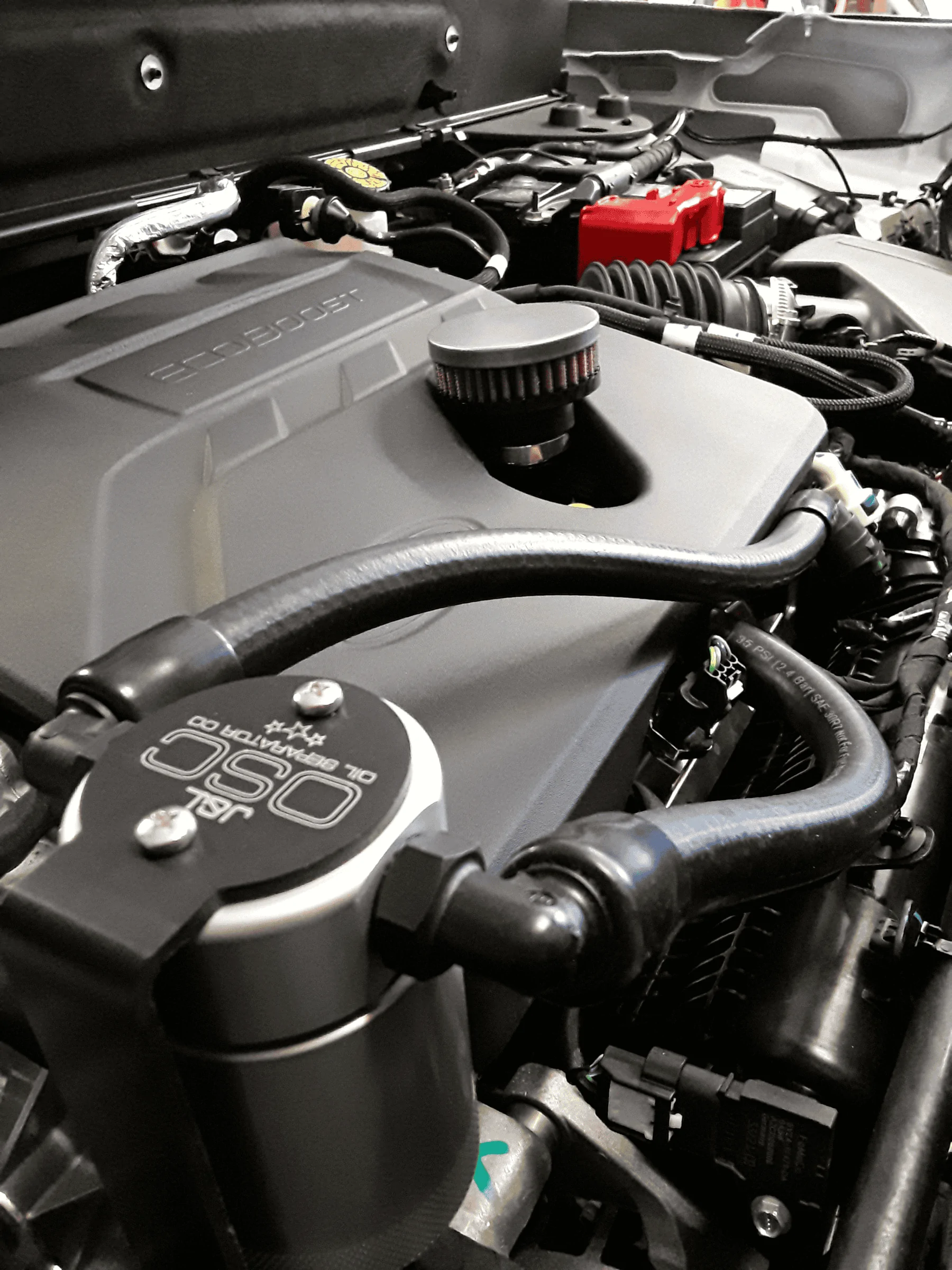


Oil catch can

Major Kong

Base
Well-Known Member
First Name
Major
Joined
Mar 5, 2022
Threads
16
Messages
1,207
Reaction score
2,878
Location
Right Here Right Now
Vehicle(s)
Bronco Sport aka "Spark Plug"
This breather must be working much differently than what used to be common in engines up through the 70's.
same principle
modified by a ball check addition and improved filter membrane
one way air flow
Sponsored

 

Meanderthal

Badlands
Well-Known Member
First Name
Eric
Joined
Mar 19, 2022
Threads
10
Messages
2,166
Reaction score
3,150
Location
Belleville, IL
Vehicle(s)
'08 BMW R1200 GS Adv, '23 Norden Expedition
same principle
modified by a ball check addition and improved filter membrane
one way air flow
So they basically just created another PCV valve by adding the ball check. That is all PCV valves used to be, just a ball check.
 

Major Kong

Base
Well-Known Member
First Name
Major
Joined
Mar 5, 2022
Threads
16
Messages
1,207
Reaction score
2,878
Location
Right Here Right Now
Vehicle(s)
Bronco Sport aka "Spark Plug"
So they basically just created another PCV valve by adding the ball check. That is all PCV valves used to be, just a ball check.
diodes, check valves, swing gates, poppets
it's a component of the device function
one way out
well, whats the deal with the filter membrane?
I'd say it's a precaution against reverse flow particulates under a check failure condition
old 70's breathers were rather coarse
 

Mark S.

Badlands
Well-Known Member
First Name
Mark
Joined
Oct 30, 2021
Threads
119
Messages
6,733
Reaction score
13,152
Location
St. Jacob, IL
Vehicle(s)
2021 Badlands | 2020 Escape
air/oil separator in essence is a catch can "sans can"
so in essence there is currently one in place
I believe Ford's decision to include an air/oil separator is one of the reasons its PCV and EGR systems are "cleaner" than other manufacturers.
 

Mark S.

Badlands
Well-Known Member
First Name
Mark
Joined
Oct 30, 2021
Threads
119
Messages
6,733
Reaction score
13,152
Location
St. Jacob, IL
Vehicle(s)
2021 Badlands | 2020 Escape
too soon to re-introduce the breather debate? ?
Never too soon for debate! That said, I'm not sure what a breather has to do with the effects of crankcase and exhaust gas vapors on mixture octane. Oil vapors (and some exhaust gases) is flammable, which is why they can be pumped back into the cylinder to be burned off. The OEM programming for the PCM accounts for these vapors when setting the engine's safety limits as regards mixture octane. If you introduce significantly more vapors than the PCM can account for—something that's likely if you significantly increase boost pressure by modifying the software—then the OEM safety limits related to mixture octane may not be adequate. How does a breather affect this issue?


Major Kong

Base
Well-Known Member
First Name
Major
Joined
Mar 5, 2022
Threads
16
Messages
1,207
Reaction score
2,878
Location
Right Here Right Now
Vehicle(s)
Bronco Sport aka "Spark Plug"
Never too soon for debate! That said, I'm not sure what a breather has to do with the effects of crankcase and exhaust gas vapors on mixture octane. Oil vapors (and some exhaust gases) is flammable, which is why they can be pumped back into the cylinder to be burned off. The OEM programming for the PCM accounts for these vapors when setting the engine's safety limits as regards mixture octane. If you introduce significantly more vapors than the PCM can account for—something that's likely if you significantly increase boost pressure by modifying the software—then the OEM safety limits related to mixture octane may not be adequate. How does a breather affect this issue?
Caveat
this mornings sudokus has exhausted my ability to reason
reduced power level jibberish about to commence

here goes nothing

situation
octane laden crankcase gases under a low vacuum or no vacuum condition
no breather, OEM oil cap in place
crankcase pressures increase as PCV vacuum ceases

here's where questions arise

is it possible for the case pressures to exceed the boost pressure? If the answer is yes then those octane mixed vapors would continue to pass through the PCV system in route to the manifold.

is it possible for case pressures to exceed a low vacuum condition? Possible I guess, if maybe towing a heavy load but not quite under a boost.

there's more but those damn sudokus got me this AM

sidebar note:
recall item
leaky air/oil separator
enter crankcase pressures
hairline case fractures encounter positive pressure vs neg press
oil drips now under state of pressurized leak
not so much with breather

signed
Major Wrong
 

Jrl

First Edition
Well-Known Member
First Name
Jim
Joined
Dec 23, 2020
Threads
18
Messages
1,423
Reaction score
1,468
Location
Pgh pa
Vehicle(s)
Lincoln and escape and first edition cactus gray
Caveat
this mornings sudokus has exhausted my ability to reason
reduced power level jibberish about to commence

here goes nothing

situation
octane laden crankcase gases under a low vacuum or no vacuum condition
no breather, OEM oil cap in place
crankcase pressures increase as PCV vacuum ceases

here's where questions arise

is it possible for the case pressures to exceed the boost pressure? If the answer is yes then those octane mixed vapors would continue to pass through the PCV system in route to the manifold.

is it possible for case pressures to exceed a low vacuum condition? Possible I guess, if maybe towing a heavy load but not quite under a boost. The car was 18 months old and had 14 ,000 miles on it .

there's more but those damn sudokus got me this AM

sidebar note:
recall item
leaky air/oil separator
enter crankcase pressures
hairline case fractures encounter positive pressure vs neg press
oil drips now under state of pressurized leak
not so much with breather

signed
Major Wrong
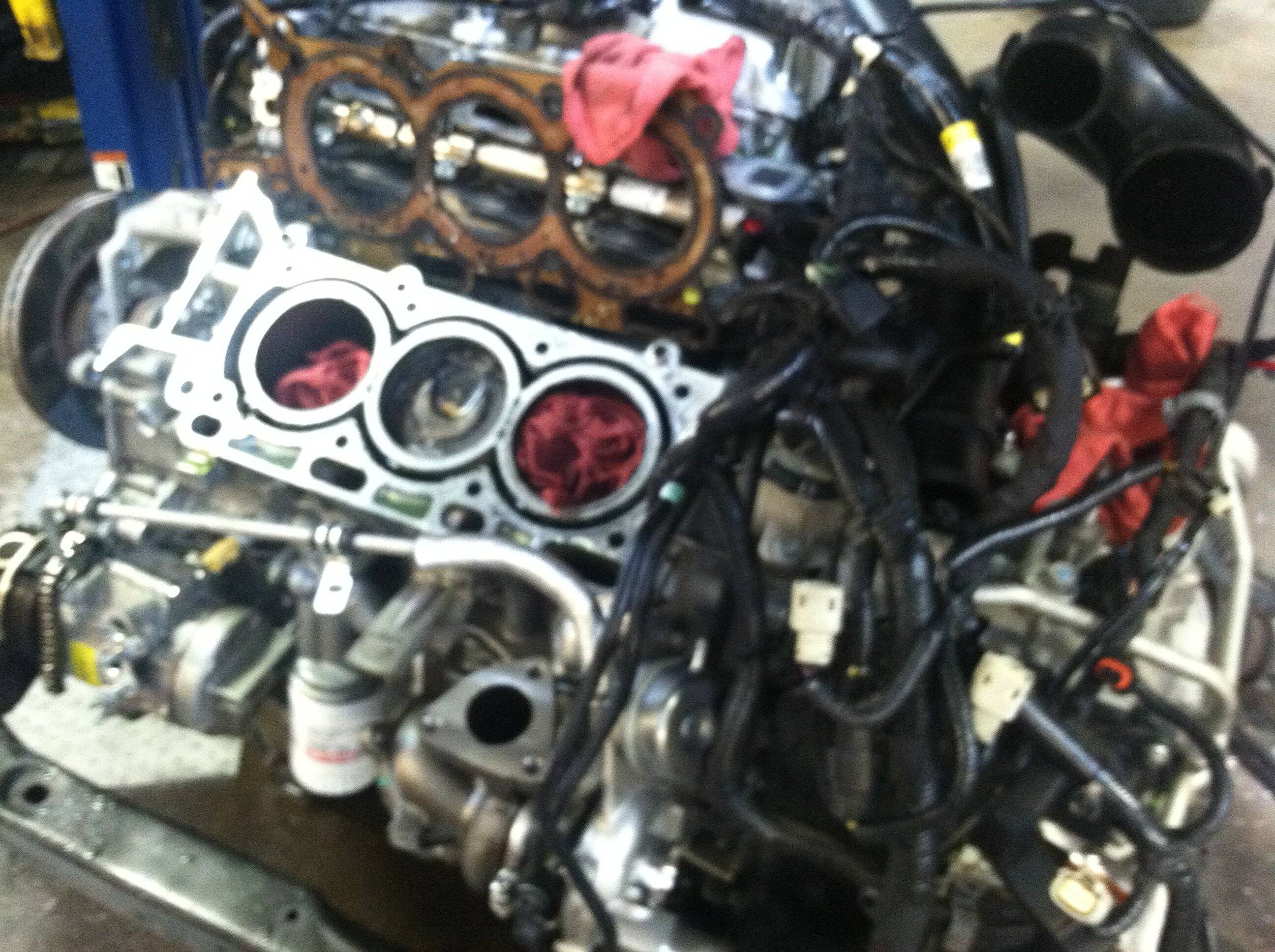
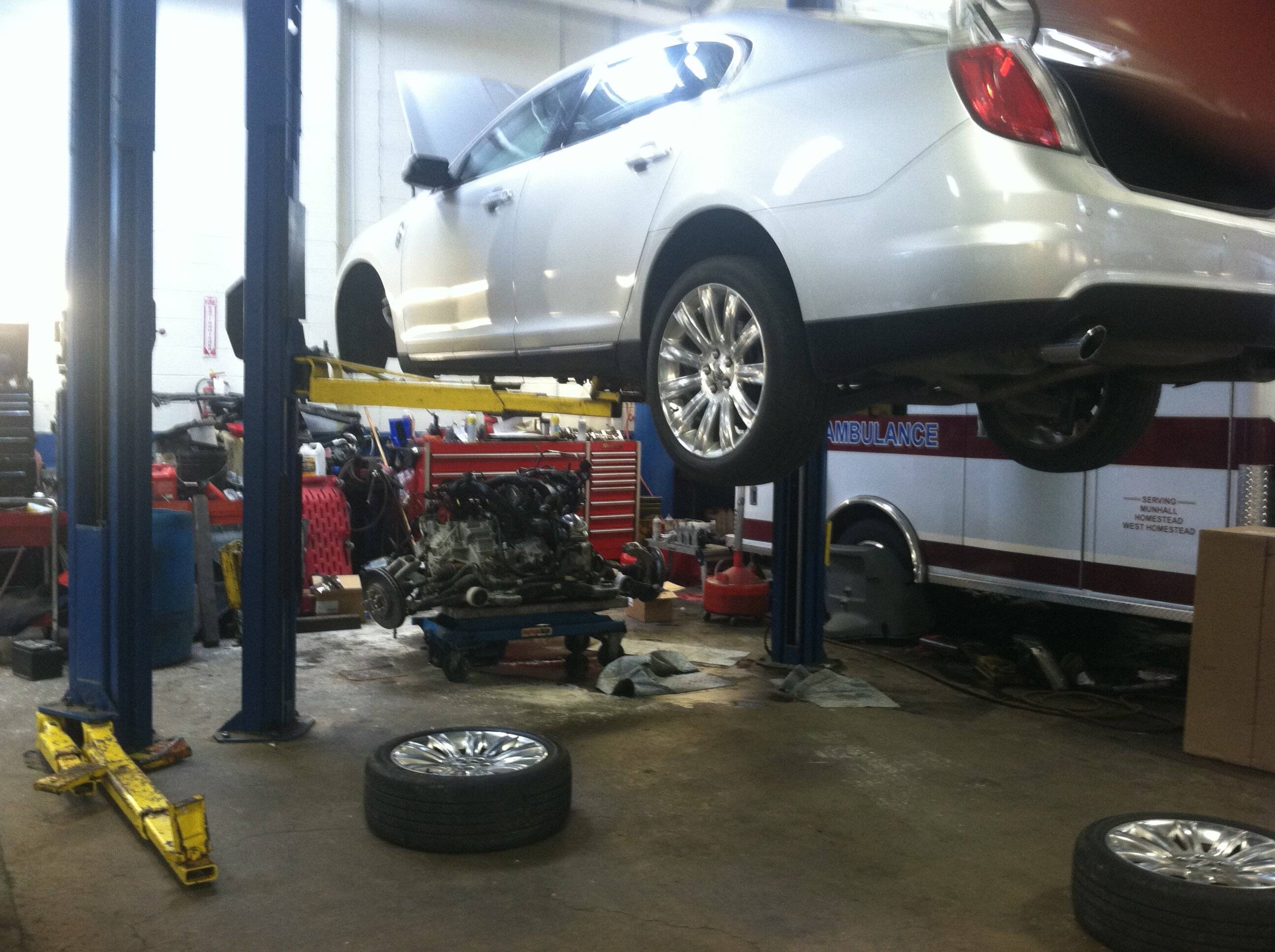
Had that happen to my 2010 Lincoln MKS 3.5 twin turbo back a few years ago , took that engine and trashed it . They put a new engine in and all was good . It was exactly as you stated above oil separator dumped down and blew a few cylinders that cost ford 9750. Dollars.

Ford Bronco Sport Oil catch can 4C1C15F9-25E9-4D4D-811A-771958C62733


Ford Bronco Sport Oil catch can 989EF65F-693E-4528-86A4-FE928AD21CDB


Ford Bronco Sport Oil catch can 665BC595-AC6B-44A1-A090-89B49E9F5C4B


Ford Bronco Sport Oil catch can D9E6F60F-5119-46A7-A333-4014A81D9C6C


Ford Bronco Sport Oil catch can 2625D84E-A61C-484F-9388-CE70BCB24504
 
Last edited:

Jrl

First Edition
Well-Known Member
First Name
Jim
Joined
Dec 23, 2020
Threads
18
Messages
1,423
Reaction score
1,468
Location
Pgh pa
Vehicle(s)
Lincoln and escape and first edition cactus gray
Caveat
this mornings sudokus has exhausted my ability to reason
reduced power level jibberish about to commence

here goes nothing

situation
octane laden crankcase gases under a low vacuum or no vacuum condition
no breather, OEM oil cap in place
crankcase pressures increase as PCV vacuum ceases

here's where questions arise

is it possible for the case pressures to exceed the boost pressure? If the answer is yes then those octane mixed vapors would continue to pass through the PCV system in route to the manifold.

is it possible for case pressures to exceed a low vacuum condition? Possible I guess, if maybe towing a heavy load but not quite under a boost.

there's more but those damn sudokus got me this AM

sidebar note:
recall item
leaky air/oil separator
enter crankcase pressures
hairline case fractures encounter positive pressure vs neg press
oil drips now under state of pressurized leak
not so much with breather

signed
Major Wrong
Major fail of oil separation.
 

Mark S.

Badlands
Well-Known Member
First Name
Mark
Joined
Oct 30, 2021
Threads
119
Messages
6,733
Reaction score
13,152
Location
St. Jacob, IL
Vehicle(s)
2021 Badlands | 2020 Escape
octane laden crankcase gases under a low vacuum or no vacuum condition
no breather, OEM oil cap in place
crankcase pressures increase as PCV vacuum ceases

here's where questions arise

is it possible for the case pressures to exceed the boost pressure? If the answer is yes then those octane mixed vapors would continue to pass through the PCV system in route to the manifold.
Unless the case contains more volatile vapors than what I would assume is a specified range, this eventuality should be accounted for by the PCM programming. Meaning the vapors would be ingested by the engine as per normal operation.

is it possible for case pressures to exceed a low vacuum condition? Possible I guess, if maybe towing a heavy load but not quite under a boost.
My Mustang EcoBoost had the capability to display vacuum/boost pressure during operation. Based on what I saw it would not be possible for the engine to be under a "heavy load" without also being under boost.


sidebar note:
recall item
leaky air/oil separator
enter crankcase pressures
hairline case fractures encounter positive pressure vs neg press
oil drips now under state of pressurized leak
not so much with breather
If I understand your Sudoku-depleted reasoning, you are describing a malfunction not a normally operating engine. The question then becomes is a cracked air/oil separator a frequent enough fleetwide issue to worry about? Jim's post notwithstanding, this seems even more rare than carbon deposits.

signed
Major Wrong
Field grade officers are never wrong. If you don't believe me just ask one; they'll tell you!
 

Major Kong

Base
Well-Known Member
First Name
Major
Joined
Mar 5, 2022
Threads
16
Messages
1,207
Reaction score
2,878
Location
Right Here Right Now
Vehicle(s)
Bronco Sport aka "Spark Plug"
If I understand your Sudoku-depleted reasoning, you are describing a malfunction not a normally operating engine. The question then becomes is a cracked air/oil separator a frequent enough fleetwide issue to worry about? Jim's post notwithstanding, this seems even more rare than carbon deposits.
ah, restored
sudoku has released it's grip
therapy measures
pry bar and post-hole digger
few hours of mindless physical labor and voila
classical music playing to keep the hippie neighbor away
it's hippie repellent
I don't even care for classical music
but it works great, highly recommend
back to the story
yes, malfunction in the recall aspect of the separator
it had those cracked housing troubles
consider crankcase case pressure increase
results in transfer of pressure to separator
oil leak exacerbates
fleetwide?
nah, recall handled that
that separator musing was meant as a sidebar to breather topic
point being breather eliminates case pressures
point being breather picks up where catch can leaves off


V8 Yankee

Outer Banks
Well-Known Member
First Name
Harold
Joined
Feb 6, 2022
Threads
18
Messages
359
Reaction score
574
Location
Miami
Vehicle(s)
21 Bronco Sport
Good point. The only other reason I can think of is if you are running software meant to boost power (a "tune") then a catch can might be useful. The higher the power output the more critical becomes fuel octane. If you increase boost enough you will also increase contaminants in the crankcase vapors, which can significantly effect mixture octane when they are pumped back into the intake tract. A catch can will help limit contaminants and keep the mixture octane more stable.
too soon to re-introduce the breather debate? ?

Ford Bronco Sport Oil catch can 1659012119263

[/QUOTE]
I noticed when really getting on it in Sport Mode the boost pressure pushes a very slight amount of oil past the rings. Only after a few Sport Mode events did I notice some oil in the can. And like you mentioned about a valve breather cap. Ford also addressed the boost pressure on seals but over time seals become either softer or more brittle depending on the type of rubber used and the quality of the manufacturing process. Kind of getting into the cool factor again as filtered breathers look good. They actually might mitigate excess pressure on older seals but I've just crossed the 8K mark on my engine so I've got a ways to go. If and when UPR developes their version I'll likely get one. Gotta have one to match my UPR CC.
 

Meanderthal

Badlands
Well-Known Member
First Name
Eric
Joined
Mar 19, 2022
Threads
10
Messages
2,166
Reaction score
3,150
Location
Belleville, IL
Vehicle(s)
'08 BMW R1200 GS Adv, '23 Norden Expedition
is it possible for the case pressures to exceed the boost pressure? If the answer is yes then those octane mixed vapors would continue to pass through the PCV system in route to the manifold.

is it possible for case pressures to exceed a low vacuum condition? Possible I guess, if maybe towing a heavy load but not quite under a boost.
No, I cannot conceive of a scenario where the crankcase pressure would ever come anywhere close to the boost pressure, let alone exceed it. There are too many places for the pressure to be relieved before that would happen. Crank main seals come to mind.

I don’t know where you are going with the case pressure exceeding a low vacuum. In my mind, a pressure is always exceeding a vacuum. Is the PCV system ever in vacuum? If you are under load, you are building boost for that to happen. The intake manifold and thus the PCV system would be under some level of vacuum at low load and low rpm, so I guess that does answer my question to some extent.
 

Major Kong

Base
Well-Known Member
First Name
Major
Joined
Mar 5, 2022
Threads
16
Messages
1,207
Reaction score
2,878
Location
Right Here Right Now
Vehicle(s)
Bronco Sport aka "Spark Plug"
No, I cannot conceive of a scenario where the crankcase pressure would ever come anywhere close to the boost pressure, let alone exceed it. There are too many places for the pressure to be relieved before that would happen. Crank main seals come to mind.

I don’t know where you are going with the case pressure exceeding a low vacuum. In my mind, a pressure is always exceeding a vacuum. Is the PCV system ever in vacuum? If you are under load, you are building boost for that to happen. The intake manifold and thus the PCV system would be under some level of vacuum at low load and low rpm, so I guess that does answer my question to some extent.
No, I cannot conceive of a scenario where the crankcase pressure would ever come anywhere close to the boost pressure, let alone exceed it.
let's examine this
go back to the earlier post "towing under heavy load conditions"
we could agree that boost is occurring
we could agree that blow-by is occurring to varying degrees
much more so than just cruising highway
by varying degrees it is meant
all motors are not created equal
PCV vacuum has ceased, check closed
manifold pressures now feeling boost effect
blow-by is occurring steadily
happily siphoned off by vacuum is gone, vacuum nil
cumulative numbers of blow-by occurring
containment within the case
only release is to travel the PCV highway
meet and greet at the boost convention
all the while blow-by is still occurring
somethings gotta give
well boost ain't going to the crankcase
PCV check would confirm
as psi of vapors build they would at some point balance boost
once balance is met and blow-by continues balance continues
visualization skills now required
meet me at the PCV check
equalization is met
blow-by still occurs
needs to go somewhere* (see bottom)
boost flow direction against closed check reversed
flow now passes through check onward to manifold
pressures equalized but continual blow-by has upper hand
empirical?
no
as boost and blow-by production alter so shall flow direction
boost however being halted by the PCV gate keeper

as to exceeding boost
would have been better to use the "upper hand" descriptor
not so much an exceed
more a take control over flow direction

*this is space is reserved for creative thought
using the blow-by / boost equilibrium scenario
I also wonder this.......
crankcase fresh air supply
post MAF entry?
anyways when all pressure balances
would fresh air supply flow reverse as well or is a check in place?
if not
could blow-by reverse flow to the fresh supply point of entry?
thereby again finding it's way to turbo suction
and then on to part of the boost?
not a statement but a question
 

Meanderthal

Badlands
Well-Known Member
First Name
Eric
Joined
Mar 19, 2022
Threads
10
Messages
2,166
Reaction score
3,150
Location
Belleville, IL
Vehicle(s)
'08 BMW R1200 GS Adv, '23 Norden Expedition
No, I cannot conceive of a scenario where the crankcase pressure would ever come anywhere close to the boost pressure, let alone exceed it.
let's examine this
go back to the earlier post "towing under heavy load conditions"
we could agree that boost is occurring
we could agree that blow-by is occurring to varying degrees
much more so than just cruising highway
by varying degrees it is meant
all motors are not created equal
PCV vacuum has ceased, check closed
manifold pressures now feeling boost effect
blow-by is occurring steadily
happily siphoned off by vacuum is gone, vacuum nil
cumulative numbers of blow-by occurring
containment within the case
only release is to travel the PCV highway
meet and greet at the boost convention
all the while blow-by is still occurring
somethings gotta give
well boost ain't going to the crankcase
PCV check would confirm
as psi of vapors build they would at some point balance boost
once balance is met and blow-by continues balance continues
visualization skills now required
meet me at the PCV check
equalization is met
blow-by still occurs
needs to go somewhere* (see bottom)
boost flow direction against closed check reversed
flow now passes through check onward to manifold
pressures equalized but continual blow-by has upper hand
empirical?
no
as boost and blow-by production alter so shall flow direction
boost however being halted by the PCV gate keeper

as to exceeding boost
would have been better to use the "upper hand" descriptor
not so much an exceed
more a take control over flow direction

*this is space is reserved for creative thought
using the blow-by / boost equilibrium scenario
I also wonder this.......
crankcase fresh air supply
post MAF entry?
anyways when all pressure balances
would fresh air supply flow reverse as well or is a check in place?
if not
could blow-by reverse flow to the fresh supply point of entry?
thereby again finding it's way to turbo suction
and then on to part of the boost?
not a statement but a question
I’m still going back to the crankcase not be designed or being capable of holding anything even approaching boost pressure. That is all assuming that the PCV is completely failed shut, which I would guess is not the design state. I would expect the PCV to be designed to fail open. I could be wrong here though.


Top