

sucked into a ditch. 1.5 hours of shovelling and tugs from a 2wd f150 got us out. good reminder to carry a tow rope and shovel in the truck.


I don't think so. Without heat there is no expansion to create pressure, ergo without heat there is no flow. A turbo works on the basic principle that hotter the gas the greater the flow. That's why you get better turbo performance by wrapping it and keeping the heat in the gas.Maybe this is another potato/potatoe debate?
But you had fun, right?sucked into a ditch. 1.5 hours of shovelling and tugs from a 2wd f150 got us out. good reminder to carry a tow rope and shovel in the truck.

The expansion in the turbo is because of the pressure in the exhaust manifold. It doesn’t need heat to work.I don't think so. Without heat there is no expansion to create pressure, ergo without heat there is no flow. A turbo works on the basic principle that hotter the gas the greater the flow. That's why you get better turbo performance by wrapping it and keeping the heat in the gas.
I think we're talking past each other. Let's see if we can find where we agree and work from there.The expansion in the turbo is because of the pressure in the exhaust manifold. It doesn’t need heat to work.
This is why I am saying that the turbo is not the same as a turbine engine. The turbine engine requires the addition of heat (burning fuel) to make it work. In our engine the pistons create the pressure to drive the turbo. The heat does not add anything to the power output of the turbo.
As I said above, you could create the pressure to drive the turbo with air of any temperature. It’s the pressure that drives it, not the temperature. You want to limit heat loss because the loss of temperature will also cause a loss in pressure.

The combustion that happens in the cylinder goes toward driving the pistons. It does not do anything for the turbo. You are correct about the turbine engine requiring the combustion.Here's a thought experiment: What happens if you spin the engine without combustion, using an external means? The pistons will still go up and down in the cylinders and the valves will still open and close. During the exhaust stroke for each cylinder the exhaust valve will open, and the air in the cylinder will be forced into the exhaust manifold by the piston moving upward. What happens with the turbocharger in this situation? Will it spin at the same rate as if the engine is running?
The answer, of course, is no. It requires the heat from combustion to generate enough pressure to spin the turbine side of the turbocharger fast enough to develop meaningful boost on the compressor side.
The same goes for a turbine engine. You can use an external air source to spin up the compressor wheels—modern airliners use a small turbine engine installed somewhere on the aircraft called the APU (auxiliary power unit) to provide air to spin up the main engines during start—but it isn't until you add the heat of combustion that you get the required pressure differential across the turbine wheels to generate enough power to turn the compressor wheels fast enough to produce meaningful thrust.
So, yes, pressure differential is what powers the turbine side of the turbocharger, and you don't get that differential without heat. The more heat, the greater the differential.

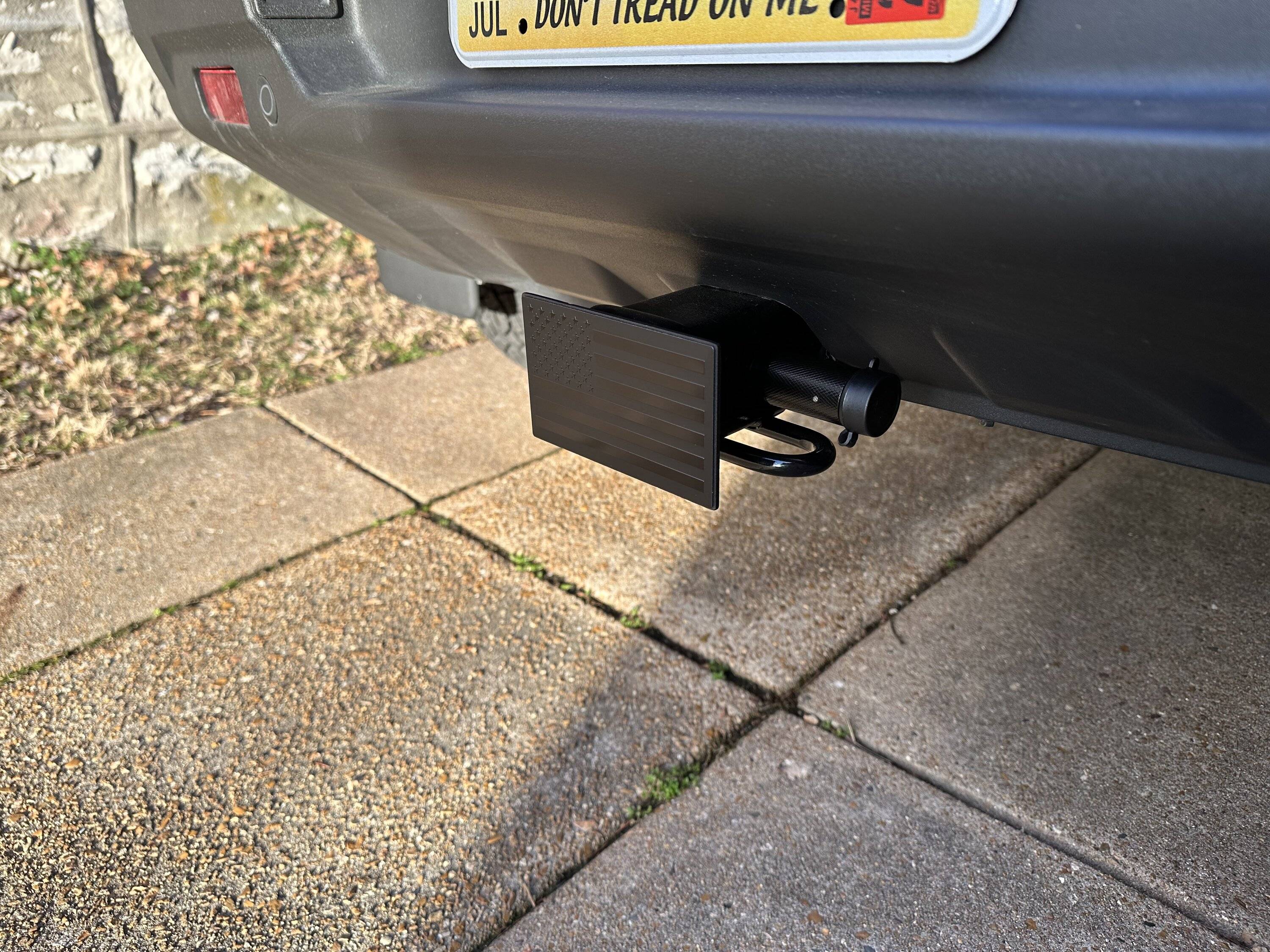
honestly it was a pretty good time, and unusually warm weather for this time of year.But you had fun, right?
You're right, sorry! You can read the continuing debate here.Maybe you guys should start your own thread about turbos so you stop polluting the what did you do to you bronco sport today thread with your debate.

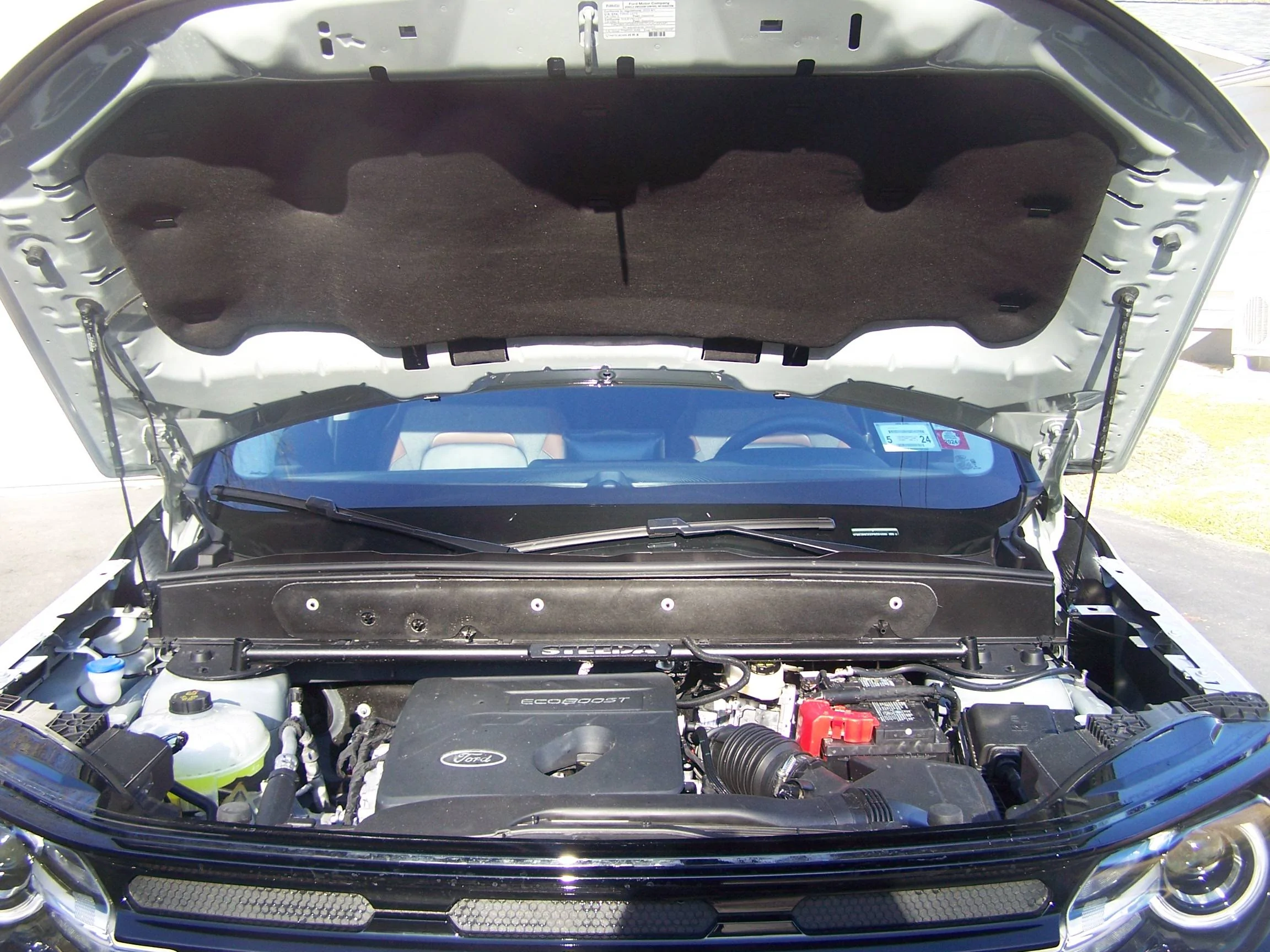

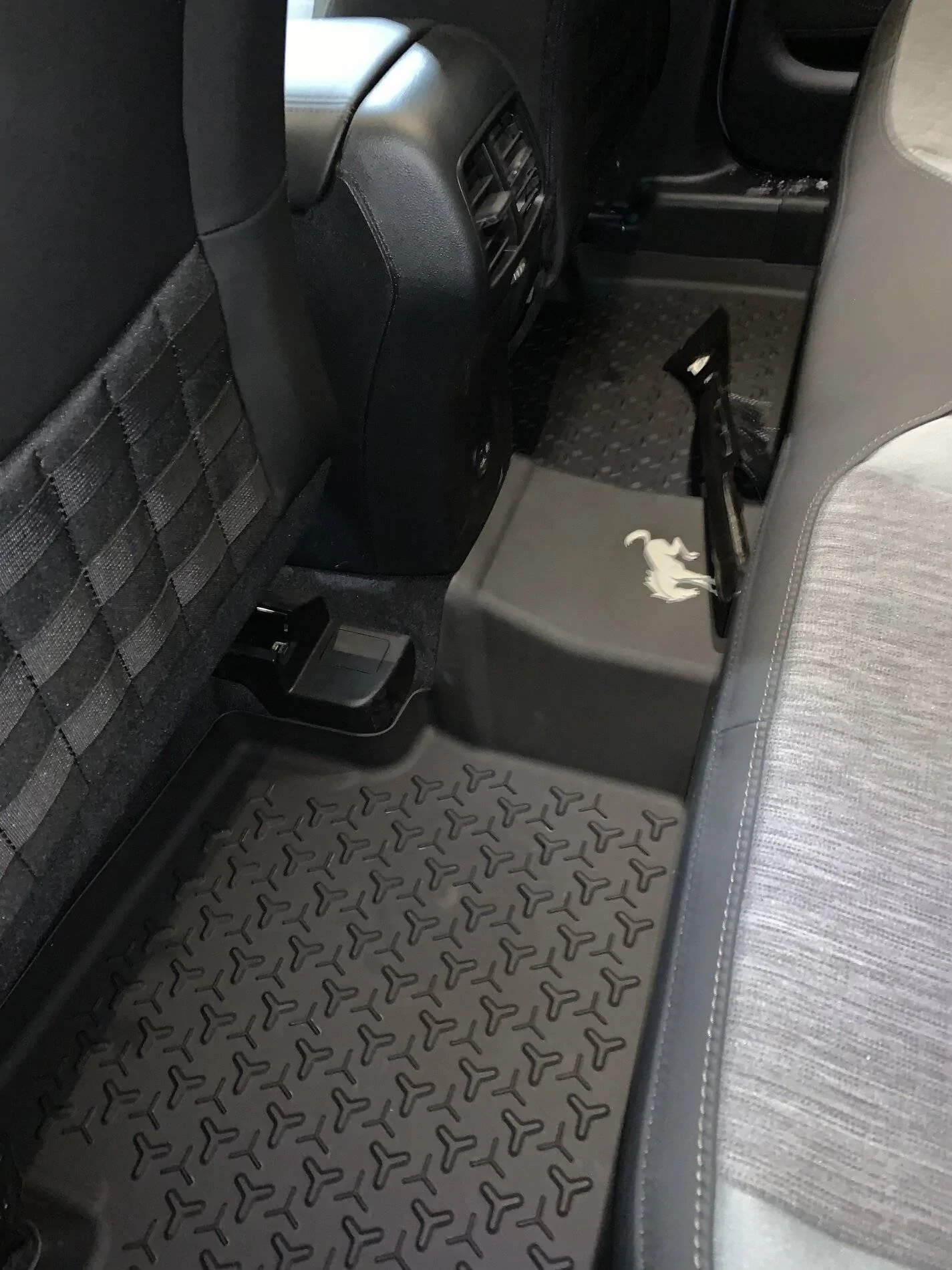
First thing I bought....Cross Bars coming tomorrow!!!New floor mats today.